Blog
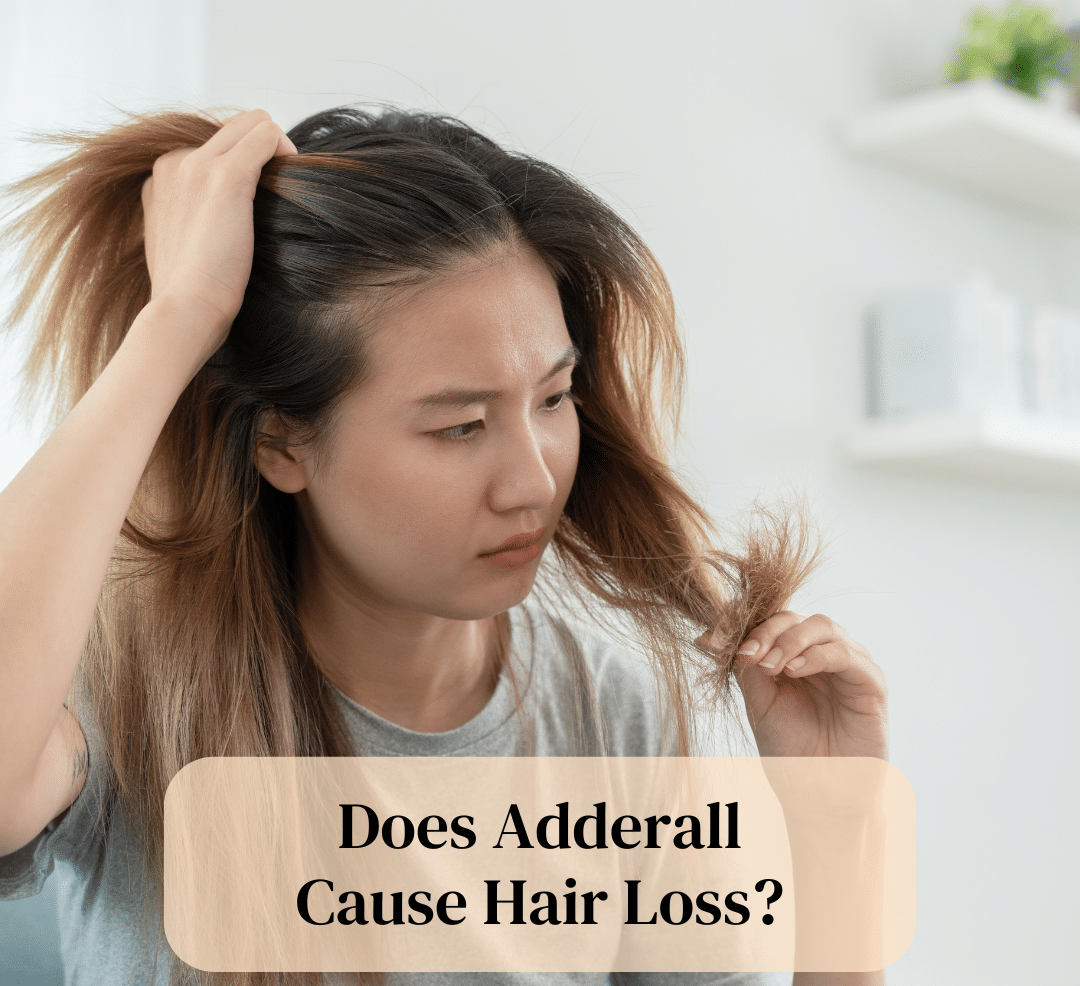
Does Adderall Make You Lose Hair: 9 Vital Realities About Thinning
Introduction
The pursuit of cognitive peak performance in 2026 often brings patients to a crossroads between mental clarity and physical self-perception. For many individuals managing neurodivergent challenges, stimulant therapy is a transformative tool for executive function. However, as the body adjusts to systemic pharmacological changes, secondary side effects can emerge that impact self-confidence. One of the most distressing questions clinicians face today is: does adderall make you lose hair? While the medication is celebrated for its neurological benefits, the complex interplay between amphetamine salts and the hair growth cycle is a topic of growing concern for long-term users.
Understanding the biological link between central nervous system stimulants and follicle health requires looking beyond the scalp. Many patients notice a sudden increase in shedding or a change in hair texture within months of starting a new regimen, leading them to urgently ask: does adderall make you lose hair directly, or is the loss a byproduct of the stress and nutritional shifts associated with ADHD treatment? In this authoritative guide, we will deconstruct the mechanisms of telogen effluvium, analyze the 2026 clinical data on stimulant-induced alopecia, and provide actionable insights for maintaining a healthy mane while achieving your cognitive goals.
💡 Key Takeaways: Stimulants and Follicle Health
- Telogen Effluvium: Most stimulant-related shedding is a temporary condition where hair enters the “resting” phase prematurely.
- Systemic Stress: The question of does adderall make you lose hair is often tied to the body’s physiological response to increased norepinephrine.
- Nutritional Impact: Appetite suppression can lead to deficiencies in zinc, iron, and protein, which are essential for hair strength.
- Expert Consensus: According to theAmerican Academy of Dermatology, significant physical or chemical stress can trigger noticeable thinning three to four months after the triggering event.
What Is Adderall?
Adderall is a potent pharmaceutical compound consisting of mixed amphetamine salts designed to regulate neurotransmitter activity. It is the gold-standard treatment within the ADHD Medications category, specifically targeting the availability of dopamine and norepinephrine in the synaptic cleft. By enhancing these chemical signals, the medication allows individuals to overcome distractibility, manage impulsivity, and maintain a consistent level of arousal throughout the academic or professional day.
Because Adderall influences the sympathetic nervous system, its effects are felt from the brain to the extremities. When users wonder does adderall make you lose hair, they are observing the medication’s systemic reach. Amphetamines can alter blood flow patterns and hormonal balances, which indirectly affect the delicate environment of the hair follicle. As a Schedule II controlled substance, it requires diligent medical oversight to ensure that the patient’s overall health—including dermatological and trichological well-being—is preserved during treatment.
Conditions It Treats (Causes & Symptoms)
Medical professionals utilize stimulants to manage several complex arousal and executive disorders:
- ADHD (Inattentive, Hyperactive, and Combined): Correcting the neurological deficits that lead to chronic disorganization and restlessness.
- Narcolepsy: Regulating the sleep-wake cycle to prevent sudden daytime sleepiness and maintain alertness.
- Executive Function Deficits: Assisting with “working memory,” task initiation, and the ability to sustain mental effort.
- Severe Lethargy: In specific clinical cases, helping manage extreme fatigue related to underlying medical conditions.
Does Adderall Make You Lose Hair
To answer the question does adderall make you lose hair, we must examine the “flight or fight” response the medication induces. Amphetamines stimulate the adrenal glands, leading to an increase in cortisol levels. Chronically high cortisol is a known inhibitor of hair growth, as it can push hair follicles out of the anagen (growth) phase and into the telogen (shedding) phase. Therefore, when someone asks does adderall make you lose hair, they are often describing a form of telogen effluvium triggered by the body’s metabolic acceleration.
Furthermore, the query does adderall make you lose hair is frequently linked to the medication’s effect on peripheral blood flow. Stimulants are vasoconstrictors, meaning they can narrow blood vessels. If blood flow to the scalp is slightly diminished, the hair follicles may receive fewer nutrients and less oxygen, leading to weakened shafts and increased breakage. While the medication does not “attack” the hair directly, the physiological environment it creates makes the question does adderall make you lose hair a valid concern for those on higher dosages or long-term regimens.
Does Adderall Make You Lose Hair Based on Test Type / Duration
The timing of hair thinning is a crucial variable in determining if the medication is the culprit. When analyzing does adderall make you lose hair based on duration, most patients report increased shedding approximately 90 to 120 days after starting the drug or increasing their dose. This delay corresponds with the natural resting phase of the follicle. If you are tracking your symptoms and wondering does adderall make you lose hair permanently, the answer is usually no; once the body reaches homeostasis or the medication is adjusted, the hair typically regrows.
For women, the question does adderall cause hair loss in women takes on additional weight due to hormonal sensitivities. Stimulants can interact with the endocrine system, potentially exacerbating underlying conditions like androgenetic alopecia or polycystic ovary syndrome (PCOS). When a female patient asks does adderall make you lose hair, a clinician must evaluate whether the stimulant is a standalone cause or if it is unmasking a genetic predisposition to thinning. This distinction is vital for developing a 2026 treatment plan that addresses both focus and aesthetics.
Factors That Influence Does Adderall Make You Lose Hair Variation
Several external and internal factors can worsen the thinning experienced while on stimulants:
- Nutritional Gaps: Appetite suppression often leads to a lack of biotin, iron, and protein, causing many to ask does adderall make you lose hair.
- Dehydration: Dry, brittle hair is more prone to breakage; stimulants are diuretics that can strip the hair of essential moisture.
- Sleep Deprivation: The body repairs follicles during deep sleep; if the medication causes insomnia, the hair growth cycle suffers.
- Stress Levels: Managing ADHD is inherently stressful; adding a stimulant-induced cortisol spike can amplify the answer to does adderall make you lose hair.
- Trichotillomania: Some users develop a “focus-related” urge to pull or twirl their hair while hyper-focused, leading to mechanical hair loss.
9 Vital Realities About Stimulant-Induced Thinning
1. The Telogen Effluvium Trigger
Stimulants can shock the system into a temporary shedding state. This is why many report that does adderall make you lose hair is a reality in the first six months of use.
2. Vasoconstriction and Scalp Health
Narrowing blood vessels can limit the delivery of vital vitamins to the scalp, answering the “how” in does adderall make you lose hair.
3. The Role of Zinc and Iron
Stimulants can interfere with mineral absorption. A deficiency in these areas is a primary reason why does adderall make you lose hair becomes a concern.
4. Appetite Suppression and Protein Intake
Hair is made of keratin (a protein). If you aren’t eating enough due to the medication, your hair loses its building blocks.
5. Cortisol and the Growth Cycle
Increased adrenaline leads to increased cortisol. This hormonal shift is a key factor when considering does adderall make you lose hair.
6. Mechanical Breakage from Hyper-Focus
Obsessive habits, such as running fingers through hair while working, can lead to thinning that makes people ask does adderall make you lose hair.
7. Dehydration and Brittle Shafts
Without proper hydration, the hair shaft loses elasticity. This makes the answer to does adderall make you lose hair often related to breakage rather than root loss.
8. The Impact of Sleep Hygiene
Lack of REM sleep prevents the follicular regeneration process, making hair appear thinner and duller over time.
9. Hormonal Synergy in Women
For those asking does adderall cause hair loss in women, the medication can interact with estrogen and progesterone, potentially triggering latent thinning.
Comparison: Adderall vs. Other ADHD Medications for Hair
| Medication Type | Risk of Hair Thinning | Primary Mechanism |
| Amphetamine Salts (Adderall) | Moderate | Telogen Effluvium / Vasoconstriction |
| Methylphenidate (Ritalin) | Moderate | Systemic Stress / Nutrient Depletion |
| Atomoxetine (Strattera) | Low | Hormonal changes (rare) |
| Lisdexamfetamine (Vyvanse) | Moderate | Appetite suppression / Cortisol |
This comparison shows that while the question does adderall make you lose hair is common, it is a risk shared by most potent stimulants in the ADHD Medications class.
Safety & General Usage Information
Managing the physical side effects of stimulants requires a holistic approach to wellness. If you find that the answer to does adderall make you lose hair is becoming a reality for you, do not discontinue your medication abruptly. Sudden cessation can lead to a “rebound” effect of severe fatigue and depression. Instead, consult your prescribing physician to discuss a dosage adjustment or a switch to a different formulation. Often, addressing the underlying nutritional deficiencies can resolve the issue without changing the ADHD treatment.
According to PubMed Central, supplementing with vitamin D, iron, and zinc can significantly mitigate the risk of telogen effluvium. Maintaining a high-protein diet and ensuring adequate hydration are also essential steps. When you ask your overall health. By supporting your body with the right nutrients, you can often keep your focus sharp and your hair thick.
Possible Side Effects
Beyond the concern of does adderall make you lose hair, users should be aware of other common reactions:
- Cardiovascular: Increased heart rate, palpitations, and elevated blood pressure.
- Gastrointestinal: Dry mouth (xerostomia), nausea, and weight loss.
- Neurological: Headaches, dizziness, and tremors.
- Psychiatric: Anxiety, irritability, and potential sleep disturbances.
Who Should Avoid It
Regardless of whether does adderall make you lose hair, certain individuals should avoid stimulants:
- Heart Conditions: Those with structural heart defects or advanced arteriosclerosis.
- Glaucoma: Due to the risk of increased intraocular pressure.
- Severe Hypertension: Uncontrolled high blood pressure.
- History of Addiction: Individuals with a history of substance use disorder.
- MAOI Users: Those who have taken a monoamine oxidase inhibitor within the past 14 days.
Summary: Protecting Your Hair and Your Focus
In summary, the relationship between stimulant therapy and hair health is complex but manageable. When asking does adderall make you lose hair, it is important to recognize that the loss is typically indirect—driven by stress, nutritional gaps, and changes in the growth cycle. While the question does adderall make you lose hair can be frightening, the condition is usually temporary and reversible with proper care and clinical guidance.
The key to success in 2026 is a balanced treatment plan. By staying hydrated, prioritizing protein-rich nutrition, and working closely with your doctor, you can mitigate the factors that lead people to ask does adderall make you lose hair. Your cognitive health and your physical appearance do not have to be at odds. With the right support, you can achieve the executive function you need while maintaining the confidence that comes with a healthy, full head of hair.
Optimize Your Treatment and Your Confidence
Are you looking for the best way to balance your ADHD management with your overall health? Understanding how your medication affects your body is the first step toward a more empowered life. We are committed to providing you with the educational clinical insights you need to thrive in 2026. Browse our Shop today to learn more about our commitment to patient safety and to find the resources that support your journey toward focus and wellness. Let us help you navigate your treatment plan with the authority and care your health deserves.
FAQ: Does Adderall Make You Lose Hair?
If I know does adderall make you lose hair is a risk, can I prevent it?
Yes. Focusing on a nutrient-dense diet, managing stress through mindfulness, and ensuring you don’t skip meals can significantly lower the risk of shedding.
Is it true that does adderall cause hair loss in women more often?
Women may be more likely to notice the thinning due to longer hair styles and hormonal fluctuations, but the biological mechanism of telogen effluvium affects both genders.
Will the hair grow back if I stay on the medication?
Often, yes. Once the body adapts to the stimulant, the growth cycle may return to normal. If does adderall make you lose hair persists, a doctor may need to look for other underlying causes.
Can I use hair growth serums while taking ADHD medication?
Generally, topical treatments like minoxidil are safe to use, but you should always confirm this with your dermatologist to ensure there are no contraindications.
Does adderall make you lose hair permanently?
Rarely. Telogen effluvium is by definition a temporary condition. Permanent loss usually only occurs if the medication is exacerbating a pre-existing genetic condition.
Medical Disclaimer
This content is for informational purposes only and does not constitute medical advice, diagnosis, or treatment. The question of does adderall make you lose hair should be discussed with a qualified healthcare professional. Adderall is a Schedule II controlled substance. For official health guidelines, consult the FDA or the National Institutes of Health. In a medical emergency, call 911 immediately.