Blog
Side Effects of Adderall in Females: 10 Critical Realities Every Woman Should Know
Introduction
The clinical landscape for managing neurodivergent health in 2026 has evolved to recognize that biological sex plays a significant role in pharmacological response. For many women navigating the challenges of executive dysfunction, stimulant therapy serves as a vital bridge to productivity. However, the physiological journey isn’t always linear, and many patients soon find themselves researching the specific side effects of adderall in females. While the medication is highly effective at regulating dopamine and norepinephrine, its systemic impact can intersect with a woman’s unique hormonal and metabolic profile in ways that differ significantly from male counterparts.
The primary concern for many patients is not just whether the medication works, but how it alters their long-term well-being. From subtle shifts in the menstrual cycle to more pronounced cardiovascular changes, understanding the side effects of adderall in females is essential for maintaining a balanced lifestyle. As 2026 clinical data suggests, the interplay between estrogen and amphetamine salts can amplify certain reactions, making it imperative for women to stay informed. In this authoritative guide, we will deconstruct the biological mechanisms of stimulant therapy, examine the “estrogen effect,” and provide actionable insights for managing your health while staying focused.
💡 Key Takeaways: Stimulants and Women’s Health
- Hormonal Interaction: Estrogen can intensify the brain’s response to dopamine, potentially increasing the risk of certain side effects of adderall in females.
- Reproductive Health: Stimulants may influence menstrual regularity and are often associated with worsened PMS symptoms in some users.
- Cardiovascular Sensitivity: Recent 2026 data indicates that females may be more prone to stimulant-induced heart rate fluctuations during specific cycle phases.
- Expert Consensus: According to theAmerican Academy of Dermatology, significant physical stress from medication can also lead to temporary hair thinning (telogen effluvium) in female patients.
What Is Adderall?
Adderall is a prescription stimulant medication composed of a precise mixture of four amphetamine salts. It is the primary treatment within the ADHD Medications category, designed to address the neurological under-arousal that leads to inattentiveness and impulsivity. By increasing the presence of neurotransmitters in the synaptic cleft, the medication allows the brain’s “executive center” to function more efficiently, supporting task initiation and emotional regulation.
Because Adderall influences the central nervous system, its effects extend beyond simple focus. It triggers a “fight or flight” response that impacts everything from heart rate to digestion. For women, this systemic activation can be particularly complex. When evaluating the side effects of adderall in females, clinicians must account for the medication’s interaction with the endocrine system. As a Schedule II controlled substance, it requires diligent medical oversight to ensure that the patient’s physical health remains a priority alongside their cognitive goals.
Conditions It Treats (Causes & Symptoms)
Medical professionals primarily prescribe stimulants to manage several arousal-related and neurodevelopmental disorders:
- ADHD (Inattentive, Hyperactive, and Combined): Treating the chronic inability to sustain attention or manage motor restlessness.
- Narcolepsy: Helping patients manage excessive daytime sleepiness and maintain a stable wake-sleep cycle.
- Executive Dysfunction: Assisting those who struggle with planning, organization, and finishing complex tasks.
- Severe Fatigue: In specific clinical contexts, helping individuals overcome profound lethargy related to underlying medical conditions.
Side Effects of Adderall in Females
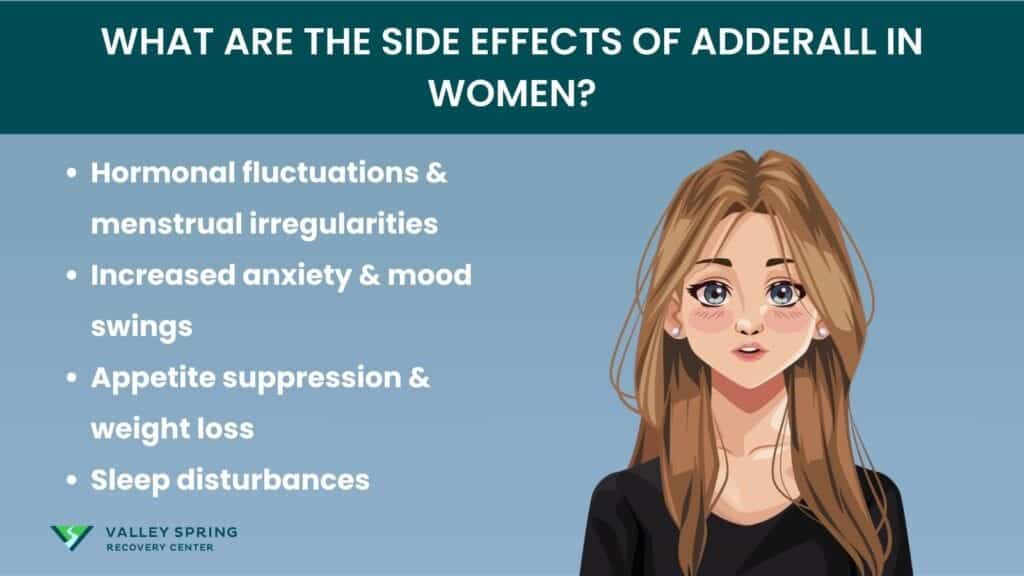
To understand the side effects of adderall in females, we must look at how amphetamines interact with female physiology. One of the most common reports involves the medication’s impact on the sympathetic nervous system, which can cause increased heart rate, dry mouth, and insomnia. However, the query side effects of adderall in females often uncovers unique concerns like “hormonal crashing.” Because estrogen levels fluctuate throughout the month, women may find that their medication feels too strong during the first half of their cycle and less effective during the second, leading to a “yo-yo” effect on mood and energy.
Patients also frequently explore related dermatological concerns, such as whether Adderall causes hair loss in women, and whether their thinning follicles are a direct consequence of their prescribed ADHD treatment.
Side Effects of Adderall in Females Based on Cycle / Duration
The timing of symptoms is a critical variable. When analyzing the side effects of adderall in females based on the menstrual cycle, many report that during the luteal phase (the week before a period), when estrogen drops and progesterone rises, ADHD symptoms worsen while the physical side effects of the medication feel more taxing. This suggests that the side effects of adderall in females are not static but are highly dependent on the current hormonal environment. Tracking these patterns in 2026 is considered a standard of care for personalized ADHD treatment.
Duration of use also plays a role in how the side effects of adderall in females manifest. In the short term, women may experience jitteriness or headaches. However, long-term use can lead to concerns about bone density and cardiovascular strain. If a woman is side effects of adderall in females for several years, doctors may monitor for elevated baseline blood pressure. Understanding these time-sensitive variables allows for better dose timing and the potential use of “medication holidays” to give the body time to recover from the stimulant’s constant demand.
Factors That Influence Side Effects of Adderall in Females Variation
Several factors can determine how intensely a woman experiences the stimulant:
- Body Composition: Women generally have a higher body fat percentage and lower weight than men, which can affect how the side effects of adderall in females are distributed.
- Oral Contraceptives: Birth control pills can alter liver enzymes, potentially slowing the metabolism of the medication and increasing the side effects of adderall in females.
- Nutritional Status: Deficiencies in iron or magnesium can exacerbate the jitteriness and muscle tension often seen in the side effects of adderall in females.
- Hydration: Because stimulants are diuretics, dehydration can lead to more severe headaches and dry mouth.
- Pre-existing Anxiety: Stimulants can amplify baseline anxiety, making it a primary concern for women prone to panic attacks.
10 Critical Realities of Stimulant Use in Women
1. The Estrogen Potentiation
Estrogen can make the brain more sensitive to dopamine. This synergy means the side effects of adderall in females may feel more intense when estrogen levels are at their peak.
2. Menstrual Cycle Irregularity
Some women report that stimulants affect their period’s timing or intensity. This hormonal disruption is a key component of the side effects of adderall in females.
3. Increased Risk of Telogen Effluvium
The physical stress of stimulants can push hair follicles into a resting state. Many seeking information on side effects of adderall in females report sudden shedding.
4. Pelvic Floor Tension
Stimulants can cause muscle tightening throughout the body, including the pelvic floor, which may lead to discomfort or urinary urgency—a lesser-known part of the side effects of adderall in females.
5. Vasoconstriction and Circulation
Women are more prone to Raynaud’s phenomenon (cold fingers/toes). The side effects of adderall in females often include reduced peripheral blood flow.
6. Bone Density Concerns
Long-term appetite suppression and its effect on hormones lead some researchers to monitor bone health as one of the potential side effects of adderall in females.
7. Heightened Premenstrual Sensitivity
When estrogen drops, the medication may feel less effective, but the “come down” or crash may feel more severe—a frustrating reality of the side effects of adderall in females.
8. Impact on Libido and Arousal
While dopamine can increase drive, the vasoconstrictive side effects of adderall in females can sometimes make physical arousal more difficult.
9. Nutritional Depletion (Zinc and Magnesium)
Stimulants can deplete essential minerals. A lack of magnesium is often why the side effects of adderall in females include jaw clenching and muscle cramps.
10. Potential for Sleep Disruption
Women are statistically more likely to suffer from insomnia. Adding a stimulant can worsen this, making sleep management a top priority when discussing side effects of adderall in females.
Comparison: Adderall vs. Other Medications for Females
| Side Effect Concern | Adderall (Amphetamine) | Vyvanse (Lisdexamfetamine) | Methylphenidate (Ritalin) |
| Hormonal Sensitivity | High | Moderate | Moderate |
| Appetite Loss | High | High | Moderate |
| Anxiety/Jitters | Moderate-High | Moderate | Low-Moderate |
| Duration of Effect | 4-6 (IR) / 8-12 (XR) | 10-14 Hours | 3-4 (IR) / 8-10 (ER) |
As shown, the side effects of adderall in females tend to be more physically pronounced than some alternatives, often due to the levoamphetamine salts that provide a “physical” boost.
Safety & General Usage Information
Safely navigating the side effects of adderall in females requires a proactive approach to physical health. Do not stop taking your medication without consulting your doctor, as this can lead to a “crash” characterized by extreme fatigue and depression. Instead, keep a symptom diary to track how you feel in relation to your menstrual cycle. This data is invaluable for your provider to adjust your dosage or timing. Many women find that a slightly lower dose during high-estrogen days and a standard dose during the luteal phase helps manage the side effects of adderall in females more effectively.
According to research found in PubMed Central, maintaining a high-protein diet and prioritizing hydration can mitigate many of the metabolic side effects of adderall in females. Supplementing with magnesium (with a doctor’s approval) can also help reduce the muscle tension and jaw clenching associated with stimulant use. Remember, the goal of ADHD treatment is to improve your life; if the side effects of adderall in females are overshadowing the benefits, it is time to reassess your therapeutic plan.
Possible Side Effects
Beyond the female-specific concerns, general reactions include:
- Cardiovascular: Increased heart rate, palpitations, and elevated blood pressure.
- Gastrointestinal: Nausea, constipation, or abdominal pain.
- Psychological: Irritability, mood swings, or feelings of restlessness.
- Neurological: Headaches, dizziness, or the development of tics.
Who Should Avoid It
Regardless of the common side effects of adderall in females, certain groups should exercise extreme caution:
- Cardiovascular Issues: Those with heart defects or uncontrolled hypertension.
- Glaucoma: Due to the risk of increased eye pressure.
- Hyperthyroidism: Which can amplify the stimulant’s effects dangerously.
- Pregnancy and Breastfeeding: Amphetamines can cross the placenta and enter breast milk; consult a doctor for a risk-benefit analysis.
- History of Substance Abuse: Due to the high potential for dependence.
Summary: Navigating Side Effects of Adderall in Females
In summary, while the benefits of improved focus are significant, the side effects of adderall in females are real and require careful management. By understanding how estrogen potentiates the drug and how the menstrual cycle influences efficacy, women can take control of their treatment. The side effects of adderall in females are often manageable through lifestyle adjustments, nutritional support, and open communication with a healthcare provider.
The landscape of 2026 ADHD care is more personalized than ever. Recognizing the side effects of adderall in females as a unique clinical profile—rather than a “one size fits all” experience—is the key to long-term success. Stay hydrated, track your cycles, and ensure you are fueling your body with the nutrients it needs to handle the increased metabolic demand of stimulant therapy. With the right strategy, you can minimize the side effects of adderall in females and focus on achieving your professional and personal goals.
Optimize Your Focus and Your Health
Are you looking for a more balanced approach to managing your ADHD? Understanding the side effects of adderall in females is a powerful first step toward a healthier you. We are dedicated to providing the educational resources and high-quality insights needed to navigate the complexities of pharmaceutical care in 2026. Explore our Shop today to learn more about our commitment to transparency and patient safety. Let us help you make informed decisions that support both your mental clarity and your physical well-being.
FAQ: Side Effects of Adderall in Females
Does the side effects of adderall in females include hair loss?
Yes, it can. The physical stress of stimulants can trigger telogen effluvium, though this is usually temporary. Ensuring adequate protein and iron intake can help.
How do the side effects of adderall in females change during menopause?
During menopause, declining estrogen can make ADHD symptoms feel worse, while sensitivity to the side effects of adderall in females, such as heart palpitations or anxiety, may increase.
Can side effects of adderall in females be managed with birth control?
Sometimes. Hormonal contraceptives can stabilize the “ups and downs” of the cycle, which may make the side effects of adderall in females more predictable, though interactions should be monitored.
Is weight loss one of the permanent side effects of adderall in females?
Typically, weight loss stabilizes as the body adjusts to the medication. However, if appetite suppression remains severe, it can lead to long-term nutritional issues.
Why are the side effects of adderall in females sometimes worse than in males?
Factors like lower average body weight, higher body fat percentage, and the interaction between estrogen and dopamine can lead to a more intense pharmacological response in women.
Medical Disclaimer
This content is for informational purposes only and does not constitute medical advice, diagnosis, or treatment. The discussion of side effects of adderall in females should be reviewed with a healthcare professional. Adderall is a Schedule II controlled substance. For official health guidelines, consult the U.S. Food and Drug Administration or the National Institutes of Health. In a medical emergency, call 911 immediately.