Blog
Is Valium Addictive: 7 Critical Safety Truths About Dependency Risk
Introduction
The clinical use of benzodiazepines has long been a double-edged sword in modern psychiatry, particularly when addressing severe anxiety or neurological tremors. As one of the most widely recognised medications in this class, patients frequently ask their healthcare providers: is valium addictive? In the medical landscape of 2026, where the emphasis on patient safety and informed consent is paramount, understanding the distinction between therapeutic use and chemical dependency is vital. While Valium offers profound relief for those in acute distress, its pharmacological profile carries a historical reputation that necessitates a deep dive into its potential for misuse.
Navigating the complexities of benzodiazepine therapy requires a clear understanding of how these substances interact with the brain’s chemistry. For many individuals, the question is valium addictive arises from a place of caution, as they seek to manage their symptoms without falling into the trap of long-term dependency. The pharmaceutical reality is that while Valium is an effective tool, it is not without its hazards. This guide will provide a professional, evidence-based analysis of the addiction potential of diazepam, the signs of escalating tolerance, and the essential steps to ensure that your path to wellness remains secure and medically supervised.
💡 Key Takeaways: Understanding Dependency
- Pharmacological Basis: Diazepam works by enhancing GABA activity, which can lead to neuroadaptation over time (simple parentheses).
- Distinction: It is important to differentiate between physical dependence on Valium and a psychological addiction to Valium.
- Timeframe: Dependency can develop even with short-term use if the medication is not managed by a professional.
- Regulation: Valium is a controlled substance, specifically a Schedule IV drug, due to its recognized abuse potential.
What Is Valium?
Valium (diazepam) is a long-acting benzodiazepine that has been a cornerstone of the Anxiety Medications category since the mid-20th century. It works by targeting gamma-aminobutyric acid (GABA) receptors in the brain, which are responsible for inhibiting overactive neuronal signals. By slowing down the central nervous system, Valium induces sedation, reduces anxiety, and prevents seizures. Its long half-life distinguishes it from shorter-acting benzodiazepines, as it remains in the body for a significant period.
When a clinician determines that a patient needs to order diazepam, they are choosing a medication known for its high bioavailability and reliability. However, the same mechanisms that make it effective also contribute to the question of whether is valium addictive. The brain can become accustomed to the presence of the drug, eventually requiring it to maintain a state of equilibrium. This neuroadaptation is the primary driver of valium tolerance and dependence, making strict adherence to prescribed guidelines a non-negotiable aspect of treatment.
Conditions It Treats (Causes & Symptoms)
Valium is prescribed for various conditions characterized by central nervous system hyper-excitability. Understanding these conditions helps clarify why the risk of dependency must be balanced against therapeutic needs:
- Generalized Anxiety Disorder (GAD): Chronic, excessive worry that impairs daily functioning.
- Acute Alcohol Withdrawal: Managing the dangerous tremors and seizure risks during detoxification.
- Muscle Spasms: Providing relief from involuntary contractions caused by injury or neurological disorders.
- Panic Disorder: Rapid intervention for sudden, intense episodes of fear.
- Status Epilepticus: Adjunctive treatment for severe, prolonged seizures.
- Pre-procedural Sedation: Reducing anxiety before surgery or uncomfortable medical exams.
Is Valium Addictive
To answer the core question—is valium addictive—one must look at how the drug affects the reward centers of the brain. Like all benzodiazepines, diazepam can trigger the release of dopamine in the mesolimbic system, albeit more subtly than stimulants or opioids. This biochemical reaction is what can cause addiction in some individuals, particularly those with a history of substance use disorders. In 2026, clinical consensus remains that is valium addictive because it can lead to compulsive drug-seeking behavior and a loss of control over consumption when misused.
The valium addiction risk is often underestimated because the drug is a legal, widely prescribed medication. However, the transition from therapeutic use to misuse can be subtle. Initially, a patient may find that the medication works perfectly, but as the brain builds a valium tolerance and dependence, the original dose may no longer provide the same relief. This often leads to the question: is 10mg valium addictive? The answer is that dosage is only one factor; the duration of use and the patient’s biological predisposition play equally significant roles in determining if is valium addictive for a specific individual.
Is Valium Addictive Based on Duration and Dosage
The valium abuse potential is closely tied to how the drug is administered over time. While short-term use (typically less than two to four weeks) is generally considered safe under medical supervision, many wonder: can short term valium use cause addiction? While full-blown addiction is less common in short windows, does valium cause dependency? Yes, physical adaptations can begin relatively quickly. This is why the valium schedule drug classification is so strictly monitored by health authorities globally.
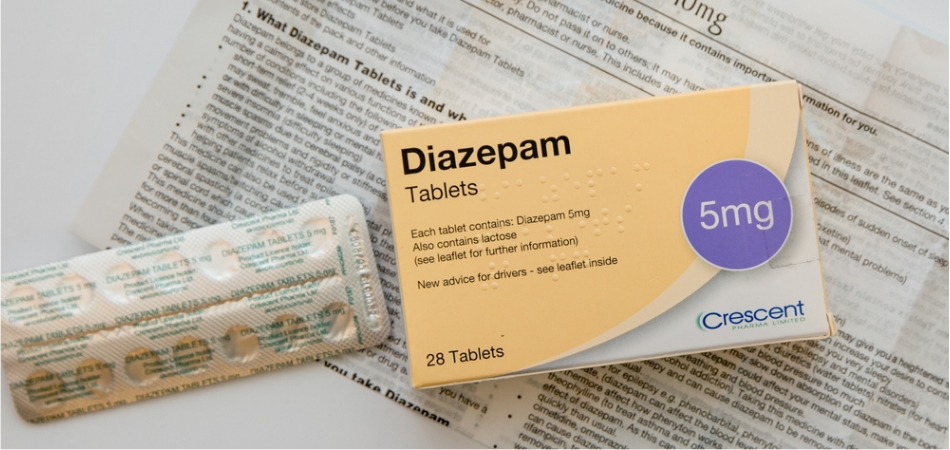
When analyzing if is valium addictive at low doses, clinicians note that even is 5mg valium addictive in certain contexts, particularly if taken daily for months. The risk increases exponentially with long-term use, leading many to ask: is valium safe for long term use? Most current medical guidelines suggest it is not ideal for chronic, daily management due to the long term valium addiction risk. Instead, it is better used as a bridge or as a PRN (as-needed) medication for acute flare-ups to minimize the symptoms of diazepam addiction.
Factors That Influence the Question: Is Valium Addictive?
Several variables determine the likelihood of an individual developing a problematic relationship with this medication:
- Genetic Predisposition: A family history of substance abuse increases the valium substance abuse risk.
- Psychological Environment: Concurrent mental health issues, such as depression, can lead to a psychological addiction to Valium as a form of self-medication.
- Frequency of Use: Daily use is more likely to result in dependency than occasional, as-needed use.
- Metabolic Rate: How quickly the liver processes diazepam affects the valium elimination time and how the brain adapts.
- Concurrent Substance Use: Combining Valium with alcohol or opioids drastically increases both the danger and the addiction potential.
7 Vital Insights Into Valium Dependency and Safety
1. Dependence vs. Addiction
It is a common misconception that they are the same. Physical dependence on Valium means the body needs the drug to avoid withdrawal, while addiction involves compulsive use despite negative life consequences.
2. The Danger of Tolerance
As the brain adjusts, you may feel you need more to get the same effect. This is one of the primary valium addiction warning signs that should be discussed with a doctor immediately.
3. Withdrawal Complexity
The diazepam withdrawal timeline is longer than other drugs due to its long half-life. Symptoms can include rebound anxiety, tremors, and in severe cases, seizures.
4. Psychological Cues
A psychological addiction to Valium often manifests as intense cravings or the feeling that one “cannot function” or “face the day” without taking the medication.
5. Recognition of Signs
Early signs of valium addiction include “doctor shopping” for multiple prescriptions, taking the drug in ways not prescribed, or experiencing social and occupational withdrawal.
6. Controlled Substance Status
Because is valium a controlled substance, it is subject to strict refill limits to prevent the long term valium addiction risk from escalating.
7. Treatment Availability
Valium addiction treatment is highly effective in 2026, often involving a medically supervised taper to safely manage diazepam detox symptoms without causing trauma to the nervous system.
Comparison: Valium vs. Other Benzodiazepines
| Feature | Valium (Diazepam) | Xanax (Alprazolam) | Ativan (Lorazepam) |
| Onset of Action | Fast | Very Fast | Intermediate |
| Half-Life | Long (30-100+ hours) | Short (11-15 hours) | Intermediate (10-20 hours) |
| Addiction Risk | High | Very High | High |
| Withdrawal | Gradual | Intense/Sudden | Moderate |
Safety & General Usage Information
While the question is valium addictive is a serious concern, it should not overshadow the medication’s legitimate therapeutic value. When used correctly, Valium is a life-changing tool for those in crisis. The key to safety is transparency with your healthcare provider. You must disclose any history of substance use and follow the dosing schedule exactly as written. Never stop the medication abruptly if you have been taking it for more than a few weeks, as the physical dependence on valium can lead to dangerous rebound effects.
According to the National Institute on Drug Abuse, benzodiazepines should be part of a larger, comprehensive treatment plan that may include cognitive-behavioral therapy (CBT) and lifestyle changes. Relying solely on a pill to manage anxiety increases the likelihood of asking “is valium addictive?” because the underlying cause of the distress is not being addressed. By using the medication as a temporary support system, you significantly lower the valium misuse effects and diazepam misuse risks.
Possible Side Effects
Even when used as prescribed, Valium can cause side effects that mimic valium dependency symptoms:
- Drowsiness: Can interfere with daily tasks and driving.
- Fatigue: A general feeling of lethargy or “heaviness.”
- Ataxia: Issues with coordination and balance.
- Muscle Weakness: A result of the drug’s relaxant properties.
- Cognitive Impairment: Temporary issues with memory or concentration.
Who Should Avoid It
Regardless of the clinical need, some individuals are at an increased risk when asking is valium addictive:
- Individuals with a History of Addiction: The diazepam abuse risk is significantly higher for this group.
- Patients with Respiratory Issues: Due to the drug’s sedative effects on the lungs.
- Those with Severe Liver Disease: Impaired metabolism can lead to toxic levels of the drug in the system.
- Elderly Patients: Increased risk of falls and severe cognitive confusion.
Summary of Valium Addiction Risks
In summary, the answer to is valium addictive is a resounding yes, but with the critical caveat that the risk is manageable under expert medical supervision. Diazepam is habit forming because of its profound impact on the brain’s calming neurotransmitters, which can lead to both physical and psychological reliance. From the initial valium addiction risk to the potential for long-term dependency, every stage of treatment must be approached with caution. By recognizing the valium addiction warning signs and understanding the difference between dependence and addiction, patients can navigate their recovery safely.
The goal of modern medicine in 2026 is to provide relief without compromising long-term health. Whether you are taking 5mg or 10mg, the question is valium addictive should serve as a guide for responsible use rather than a reason for fear. Valium remains one of the most effective Anxiety Medications available, and when integrated into a supervised plan, it can provide the stability needed to pursue a healthier, drug-free future. Always stay informed, stay honest with your doctor, and remember that your safety is the ultimate priority in any pharmacological journey.
Take an Informed Step Toward Calm
Are you seeking a balanced approach to managing your anxiety? Understanding your options for Anxiety Medications is the first step toward a secure and healthy future. We are dedicated to providing the educational resources and high-quality pharmaceutical access you need to stay safe in the 2026 medical landscape. Visit our Shop today to explore our commitment to excellence and to find the resources that support your wellness journey. Let us help you navigate your health with the professional care and transparency you deserve.
FAQ: Is Valium Addictive?
How addictive is valium compared to other drugs?
Valium is classified as a Schedule IV controlled substance. While it has a high valium abuse potential, it is generally considered to have a slightly lower immediate reinforcement “rush” than shorter-acting benzodiazepines like Xanax, though the long-term risk of dependency is similar.
Can you get addicted to valium after just one week?
While you are unlikely to develop a psychological addiction to Valium in one week, your body can begin to show signs of physical dependence on valium if the doses are high or frequent.
Is diazepam safe or addictive for chronic muscle spasms?
Diazepam is effective for spasms, but it is is diazepam habit forming. For chronic conditions, doctors often look for non-benzodiazepine alternatives to avoid the long term valium addiction risk.
What are the main symptoms of diazepam addiction?
Signs include taking more than prescribed, obsessing over the next dose, continuing use despite it causing problems in your life, and experiencing valium withdrawal symptoms when you try to stop.
Is valium addictive at low doses like 2mg?
Any amount of a benzodiazepine can be habit-forming if taken daily over a long period. Even at low doses, is valium habit forming because the brain’s GABA receptors will eventually adapt to the drug’s presence.
Medical Disclaimer
This content is for informational purposes only and does not constitute medical advice, diagnosis, or treatment. The question is valium addictive should always be discussed with a licensed healthcare provider. Valium is a controlled substance with a high potential for misuse and addiction. If you or someone you know is struggling with substance use, please contact a medical professional. In a medical emergency, call 911 immediately.