Blog
10mg Diazepam for Dental Work: 7 Life-Changing Benefits for Calm Visits
Introduction
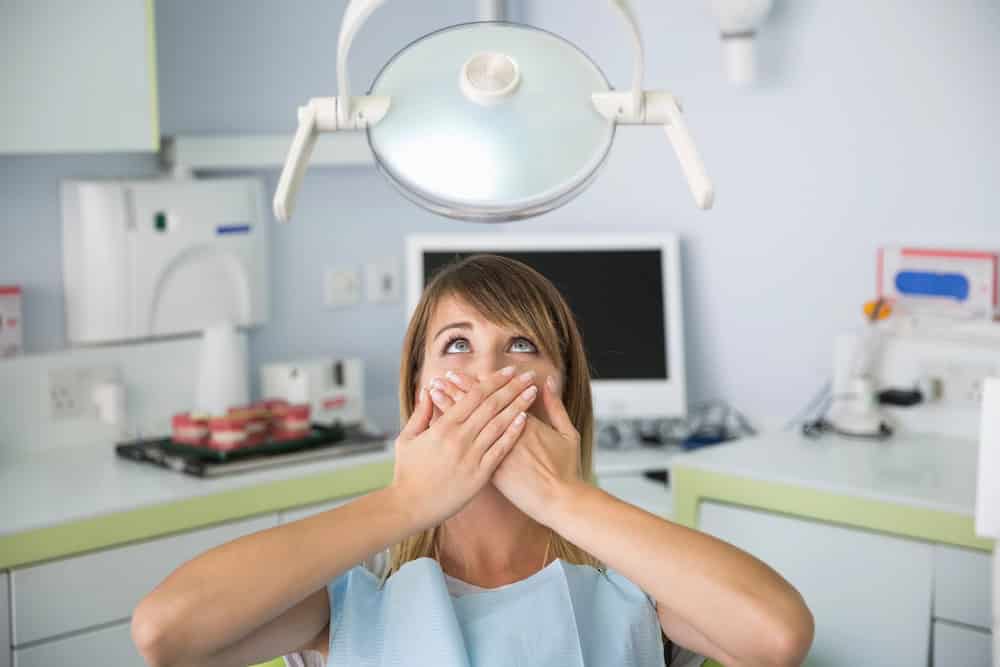
For many, the mere sound of a dental drill or the clinical scent of a surgery is enough to trigger overwhelming physical distress. This phenomenon, known as odontophobia, prevents millions from seeking the essential care they need to maintain their oral health. If you are one of these individuals, you may have heard of 10mg diazepam for dental work as a potential solution. This specific dosage is frequently prescribed as a pharmacological “bridge,” helping patients transform a terrifying ordeal into a manageable, calm, and even forgettable experience.
The challenge with dental anxiety is that it often becomes a self-fulfilling prophecy: avoiding the dentist leads to more complex issues, which in turn require more intensive procedures. Utilizing 10mg diazepam for dental work breaks this cycle by chemically dampening the “fight or flight” response. In this guide, we will explore the clinical impact of this sedative, the sensation of conscious sedation, and the critical safety protocols you must follow to ensure your appointment is both successful and safe.
Key Takeaways
- Standard Sedation: 10mg is considered a moderate dose for “minimal sedation” in adults.
- Timing: It is usually taken 30 to 60 minutes before your appointment.
- Safety First: You cannot drive after taking this dose; a designated driver is mandatory.
- Experience: You remain awake and responsive but feel deeply relaxed and detached.
What Is Diazepam?
Diazepam, famously known by its brand name Valium, is a long-acting benzodiazepine. It is designed to enhance the effects of gamma-aminobutyric acid (GABA), a neurotransmitter that acts as the brain’s natural “braking system.” By increasing GABA activity, diazepam slows down the central nervous system, providing anxiolytic (anxiety-reducing), sedative, and muscle-relaxant properties.
Because of its high lipid solubility, Diazepam is absorbed quickly by the body, making it ideal for the precisely timed requirements of dental procedures. It is a cornerstone of Anxiety Medications because it provides a steady, reliable level of sedation that lasts throughout most standard dental sessions.
Conditions It Treats (Causes & Symptoms)
In a dental context, diazepam is used to address several specific barriers to care:
- Dental Phobia: Intense, irrational fear of dental procedures or environments.
- Needle Phobia (Belonephobia): Fear of the local anesthetic injections.
- Hyperactive Gag Reflex: Physical resistance that makes oral work difficult.
- Muscle Tension: Clenched jaws or “chair gripping” that causes physical exhaustion.
- Dental Trauma History: Preventing “flashbacks” or panic during treatment.
10mg Diazepam for Dental Work
When clinical anxiety levels are moderate to high, a dentist may determine that 10mg diazepam for dental work is the most effective choice. While a 5mg dose is often sufficient for mild nervousness, 10mg is frequently the standard for “conscious sedation.” At this level, the medication provides a robust “buffer” between the patient and the environment. When using 10mg diazepam for dental work, the goal is to reach a state where you can still follow the dentist’s instructions—such as “open wider” or “turn your head”—while feeling completely indifferent to the sounds and sensations of the procedure.
The strength of 10mg diazepam for dental work is significant enough to induce a mild amnesic effect for many patients. This means that even if the procedure takes an hour, your memory of the event might feel like it lasted only a few minutes. This “time compression” is one of the primary reasons why 10mg diazepam for dental work is so popular for complex treatments like root canals, extractions, or multiple fillings in one sitting.
10mg Diazepam for Dental Work Based on Duration and Recovery
Understanding the timeline of your medication is essential for a smooth appointment day. Most practitioners will advise you on how long before dental appointment to take diazepam; typically, this is 60 minutes prior to the start time. This allows the drug to reach its peak plasma concentration just as you are sitting in the chair. Because 10mg diazepam for dental work has a long half-life (24 to 48 hours), its effects do not disappear the moment you leave the office.
The lingering nature of the drug is why the question “can I drive home after 10mg diazepam at dentist?” has a strict answer: No. Even if you feel “sober” or alert an hour after the procedure, your reaction times, depth perception, and cognitive judgment remain impaired. Most dental offices require you to have a responsible adult (an escort) who can stay in the waiting room and drive you home. The 10mg diazepam for dental work will continue to provide a “hangover” effect for several hours, making rest at home the only safe post-operative plan.
Factors That Influence 10mg Diazepam for Dental Work Effectiveness
Several individual variables can change how you react to this dosage. When a dentist assesses you for 10mg diazepam for dental work, they consider:
- Body Mass and Metabolism: Smaller individuals may find 10mg much more sedating than larger individuals.
- Age: In the elderly, the 10mg diazepam for dental work dosage is often too high due to slower liver clearance. Doctors may opt for a 2mg or 5mg dose instead.
- Tolerance: If you regularly use other benzodiazepines or sleep aids, you may find that 10mg feels less potent.
- Stomach Contents: Taking the pill on an empty stomach usually results in a faster onset, whereas a heavy meal can delay the effects.
- Genetics: Some people are naturally more sensitive to the sedative properties of Valium.
7 Clinical Benefits of 10mg Diazepam for Dental Work
- Anxiety Suppression: It turns off the “emergency signal” in the brain.
- Muscle Relaxation: Prevents the physical exhaustion of tensing up for an hour.
- Gag Reflex Control: Dampens the sensitivity that can interfere with the dentist’s access.
- Anterograde Amnesia: You likely won’t remember the “scary” parts of the visit.
- Stable Vital Signs: Helps keep blood pressure and heart rate low during stress.
- Painless Integration: Works seamlessly with diazepam and local anesthetic interaction for total comfort.
- Procedure Efficiency: A relaxed patient allows the dentist to work faster and more accurately.
Comparison: 5mg vs 10mg Diazepam for Dental Work
Choosing between 5mg vs 10mg diazepam for dental work is a clinical decision based on your level of phobia and the complexity of the task.
| Feature | 5mg Diazepam | 10mg Diazepam |
| Best For | Mild Anxiety / Simple Cleaning | Severe Phobia / Complex Extractions |
| Sedation Depth | Minimal (Take the edge off) | Moderate (Drowsy and detached) |
| Memory Impact | Low | Higher (Likely partial amnesia) |
| Recovery Time | 4–6 Hours | 8–24 Hours |
| Driving Risk | High (Do not drive) | Very High (Strictly forbidden) |
Export to Sheets
For most patients with a genuine phobia, 10mg valium for dental anxiety is the preferred starting point to ensure the medication is strong enough to override a panic attack.
Safety & General Usage Information
To ensure a safe experience, you must be honest with your dentist about how much diazepam to take before dentist based on their specific prescription. Never “double up” on doses or take a friend’s prescription. If you are undergoing dental work under conscious sedation, your dentist will likely monitor your oxygen levels and pulse during the procedure as a standard precaution.
Another common concern is the diazepam and local anesthetic interaction. Clinical data shows that diazepam does not negatively interfere with the numbing agents (like Lidocaine) used by dentists. In fact, by reducing your overall stress, the local anesthetic may actually work more effectively.
Possible Side Effects
While 10mg diazepam for dental work is very safe for most adults, you may experience:
- Drowsiness: This is the intended effect, but it can be intense.
- Dry Mouth (Xerostomia): A common side effect during and after the procedure.
- Hiccups: A rare but known side effect of benzodiazepines.
- Temporary Forgetfulness: Difficulty remembering the conversation you had with the dentist.
- Dizziness: Feeling unsteady when standing up from the dental chair.
Who Should Avoid It
You should consult your primary physician before using 10mg diazepam for dental work if you have:
- Sleep Apnea: The sedative can further relax throat muscles.
- Narrow-Angle Glaucoma: Benzodiazepines can increase intraocular pressure.
- Severe Liver Disease: Your body will not be able to clear the drug properly.
- Pregnancy: Specifically during the first trimester.
Summary: 10mg Diazepam for Dental Work
In summary, 10mg diazepam for dental work provides a powerful and reliable solution for those who would otherwise avoid the dentist. It offers a unique combination of anxiety relief, muscle relaxation, and mild amnesia that makes dental work under conscious sedation a stress-free reality. By understanding how long before dental appointment to take diazepam and respecting the recovery rules—especially the rule that you can I drive home after 10mg diazepam at dentist—you can take control of your oral health without the fear.
Whether you are weighing 5mg vs 10mg diazepam for dental work or simply researching how to get diazepam for dental phobia, the first step is a conversation with your dental provider. Using 10mg diazepam for dental work is a standard, safe practice that has helped millions maintain their smiles with dignity and comfort.
Your Path to a Stress-Free Smile
Maintaining your dental health shouldn’t be a source of trauma. With the right pharmacological support and a compassionate dental team, you can manage your anxiety and receive the care you deserve. Understanding how 10mg diazepam for dental work functions is the key to an empowered patient experience. If you are looking for more information or wish to explore our range of support options, please visit our Shop to learn how we can assist you in your journey toward a healthier, more confident life.
FAQ: 10mg Diazepam for Dental Work
How much diazepam to take before dentist appointments? Your dentist will typically prescribe one 10mg diazepam for dental work tablet to be taken about an hour before you sit in the chair. Some may also prescribe a 5mg dose to be taken the night before to help you sleep.
What does dental sedation feel like? It feels like a “heavy” sense of relaxation. You will know what is happening, and you will hear the dentist’s voice, but you simply won’t care. Many describe what does dental sedation feel like as a “twilight sleep” or being wrapped in a warm blanket.
How long before dental appointment to take diazepam? The peak effect of Valium occurs between 30 and 90 minutes. Therefore, taking it 60 minutes before your scheduled time is the clinical standard for 10mg diazepam for dental work.
Can I drive home after 10mg diazepam at dentist? Absolutely not. Because 10mg diazepam for dental work affects your motor skills and cognitive processing for up to 24 hours, you must have an escort to drive you home.
Is 10mg diazepam for dental work expensive? The medication itself is very affordable, but oral sedation dentistry cost often includes a fee for the monitoring and extra time the dentist spends managing a sedated patient. This fee is a small price to pay for a painless, anxiety-free experience.
Medical Disclaimer
This content is for informational purposes only and does not constitute medical advice. 10mg diazepam for dental work must be prescribed by a licensed healthcare professional. Diazepam is a controlled substance with a risk for dependence. If you have a history of substance abuse or are taking other CNS depressants (like opioids), you must disclose this to your dentist. In case of a medical emergency, contact emergency services (911/111) immediately. For more information, please visit the Official FDA Guide or the American Dental Association.