Blog
20 mg Adderall to Vyvanse Conversion: 7 Essential Insights for Powerful ADHD Management
Introduction
Navigating ADHD treatment often involves fine-tuning medication protocols to better suit a patient’s metabolic profile and lifestyle needs. For many, a 20 mg Adderall to Vyvanse conversion becomes a central topic of discussion when seeking a smoother, more extended therapeutic effect. While both medications are central nervous system stimulants, their delivery mechanisms differ significantly, making the transition a process that requires clinical precision and patient education. In 2026, understanding how these stimulants interact with the body is the first step toward achieving sustained focus and emotional regulation.
What Is Vyvanse?
Vyvanse (lisdexamfetamine dimesylate) is a federally controlled substance used primarily for the treatment of Attention Deficit Hyperactivity Disorder (ADHD) and Moderate to Severe Binge Eating Disorder (BED). Unlike traditional stimulants that are active upon ingestion, Vyvanse is a prodrug. This means it remains inactive until it is metabolized by enzymes in the red blood cells, where it is converted into l-lysine and active dextroamphetamine.
This unique metabolic pathway is often why patients explore a 20 mg Adderall to Vyvanse conversion. The “slow-release” nature of the prodrug design typically results in a more gradual onset and offset of action, potentially reducing the “crash” often associated with immediate-release stimulant medications.
Conditions It Treats: Causes & Symptoms
ADHD is a neurodevelopmental disorder characterized by persistent patterns of inattention, hyperactivity, and impulsivity. While the exact cause remains a subject of ongoing research at institutions like the National Institutes of Health, it is widely believed to involve imbalances in neurotransmitters such as dopamine and norepinephrine.
Common Symptoms Include:
- Difficulty sustaining focus on tasks or play activities.
- Frequent losing of items necessary for tasks (e.g., school materials, wallets, keys).
- Inability to sit still or excessive fidgeting.
- Interrupting others or difficulty waiting for a turn.
- Executive dysfunction affecting time management and organization.
For those whose symptoms are not adequately managed by their current regimen, a 20 mg Adderall to Vyvanse conversion might be suggested to provide a more consistent therapeutic window throughout the workday or school day.
20 mg Adderall to Vyvanse Conversion
The process of a 20 mg Adderall to Vyvanse conversion is not a simple milligram-to-milligram swap. Because Adderall contains a mixture of four different amphetamine salts and Vyvanse is a prodrug of pure dextroamphetamine, the dosages do not align linearly. In clinical settings, a 20 mg Adderall to Vyvanse conversion typically requires a higher numerical dose of Vyvanse to achieve a similar level of active dextroamphetamine in the bloodstream over a longer period.
When a physician initiates a 20 mg Adderall to Vyvanse conversion, they are calculating the “dextroamphetamine equivalent.” Adderall is approximately 75% dextroamphetamine, while Vyvanse converts to active medication at a different rate. Therefore, a 20 mg Adderall to Vyvanse conversion often leads to a Vyvanse dose in the range of 50 mg to 60 mg, though this varies significantly based on individual chemistry.
20 mg Adderall to Vyvanse Conversion Based on Duration and Delivery
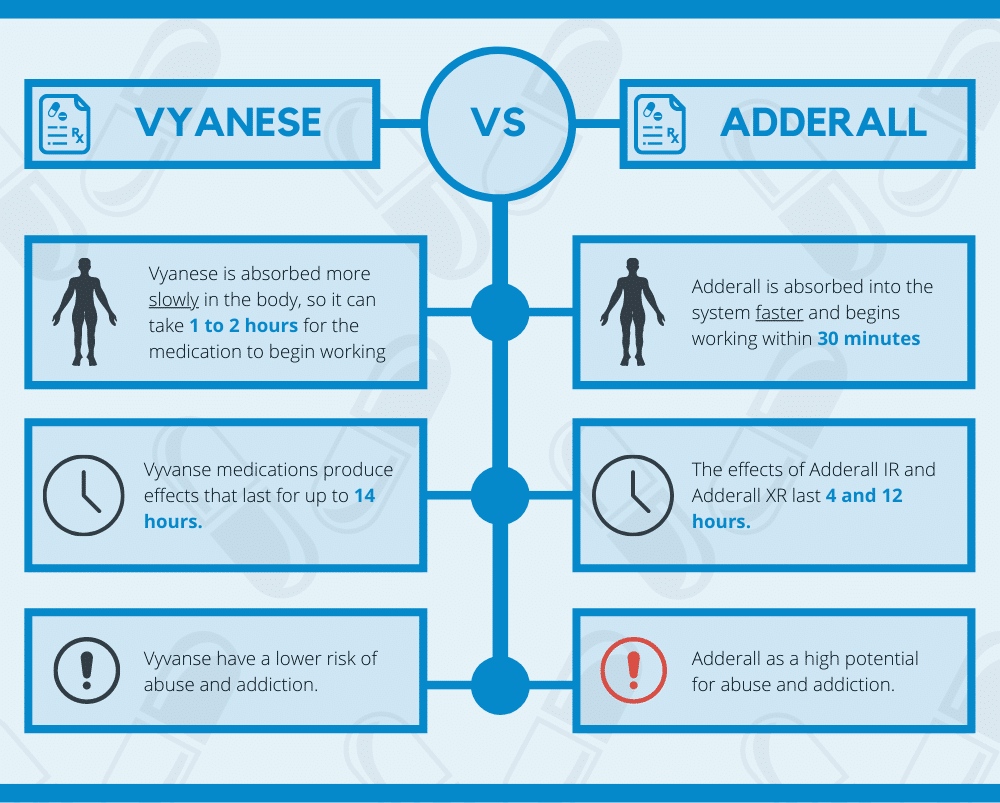
The primary reason for a 20 mg Adderall to Vyvanse conversion is the difference in the duration of effect. Adderall IR (Immediate Release) typically lasts 4 to 6 hours, whereas Vyvanse is designed to provide up to 14 hours of symptom coverage.
During a 20 mg Adderall to Vyvanse conversion, the patient transitions from a “peak and valley” delivery system to a “plateau” system. This means that while the 20 mg of Adderall might feel more intense initially, the 20 mg Adderall to Vyvanse conversion seeks to provide a stable, manageable level of focus that persists from morning until evening without the need for midday redosing.
Factors That Influence 20 mg Adderall to Vyvanse Conversion
Several biological and environmental variables can impact the success of a 20 mg Adderall to Vyvanse conversion:
- Enzymatic Activity: Since Vyvanse relies on red blood cell enzymes, an individual’s specific metabolic rate dictates how quickly the conversion happens.
- Acidity Levels: While Vyvanse is less affected by GI tract pH than Adderall, overall systemic acidity can still play a minor role in how the active d-amphetamine is processed.
- Genetic Predisposition: Variations in dopamine transporter genes can influence how a patient perceives the efficacy of a 20 mg Adderall to Vyvanse conversion.
- Prior Stimulant Exposure: Tolerance built over years of Adderall use can mean the 20 mg Adderall to Vyvanse conversion requires careful upward titration to reach the desired effect.
7 Clinical Benefits of Transitioning to Vyvanse
- Smoother Onset: The prodrug delivery reduces the sudden “jolt” of energy, providing a more natural transition into a focused state.
- Extended Duration: Many find the 20 mg Adderall to Vyvanse conversion eliminates the need for a “booster” dose in the afternoon.
- Lower Abuse Potential: Because it must be swallowed and processed by blood enzymes, it cannot be effectively inhaled or injected for an immediate high.
- Reduced GI Sensitivity: The conversion happens in the blood, not the stomach, which may be gentler for patients with sensitive digestive systems.
- Consistency: The rate of conversion is relatively consistent regardless of food intake, offering more predictable daily results.
- Behavioral Stability: A successful 20 mg Adderall to Vyvanse conversion often leads to fewer mood swings compared to short-acting stimulants.
- Simplified Dosing: Taking one capsule in the morning is often more convenient and improves adherence to the treatment plan.
Comparison: Vyvanse vs. Adderall
| Feature | Vyvanse (Lisdexamfetamine) | Adderall (Amphetamine Salts) |
| Type | Prodrug (Inactive until metabolized) | Active Stimulant (Active upon ingestion) |
| Duration | 10–14 Hours | 4–6 Hours (IR) / 8–10 Hours (XR) |
| Conversion | Requires 20 mg Adderall to Vyvanse conversion logic | Direct salt absorption |
| Onset | Gradual (1–2 hours) | Rapid (30–60 minutes) |
| FDA Uses | ADHD, Binge Eating Disorder | ADHD, Narcolepsy |
Export to Sheets
While many patients prefer the 20 mg Adderall to Vyvanse conversion for ADHD, those with Narcolepsy may still require the rapid onset provided by Adderall. For those interested in exploring modern options, viewing the Vyvanse product page can provide more specific data on available strengths.
Safety & General Usage Information
When undergoing a 20 mg Adderall to Vyvanse conversion, it is important to follow the guidance of a healthcare provider strictly. Vyvanse is typically taken once daily in the morning. It can be taken with or without food. Because it is a long-acting medication, taking it late in the day may lead to insomnia.
Possible Side Effects
Even with a perfectly calculated 20 mg Adderall to Vyvanse conversion, side effects can occur as the body adjusts:
- Dry mouth (Xerostomia).
- Decreased appetite and weight loss.
- Insomnia or sleep disturbances.
- Increased heart rate or jitteriness.
- Upper abdominal pain.
Who Should Avoid It
A 20 mg Adderall to Vyvanse conversion is not suitable for everyone. Individuals with the following conditions should exercise extreme caution or avoid stimulant therapy:
- Advanced arteriosclerosis or symptomatic cardiovascular disease.
- Moderate to severe hypertension.
- Hyperthyroidism or Glaucoma.
- History of drug abuse or sensitive to sympathomimetic amines.
- Concurrent use of Monoamine Oxidase Inhibitors (MAOIs).
Summary of ADHD Medication Transitions
The decision to move forward with a 20 mg Adderall to Vyvanse conversion is often based on the desire for a more stable therapeutic experience. By shifting from the four-salt mixture of Adderall to the prodrug mechanism of Vyvanse, patients may find a better balance between symptom control and side-effect management. Always remember that a 20 mg Adderall to Vyvanse conversion is a clinical process that should be monitored closely by a medical professional to ensure the new dosage provides the intended focus without overstimulation.
Educational Resource for ADHD Management
Making an informed choice about your mental health treatment is essential for long-term success. If you are discussing a 20 mg Adderall to Vyvanse conversion with your doctor, it helps to be familiar with the various options in the ADHD Medications category to understand the full spectrum of available treatments. For those looking to explore a comprehensive list of pharmaceutical options, you can browse the full shop catalog to see how different formulations compare in strength and delivery.
FAQ Section
Q: Is a 20 mg Adderall to Vyvanse conversion the same for everyone? (A) No. While clinical charts provide a baseline, individual factors like body mass, metabolic rate, and the severity of ADHD symptoms mean that a 20 mg Adderall to Vyvanse conversion must be personalized for every patient.
Q: How long does it take to feel the effects after the transition? (A) Most patients notice the difference on the first day of their 20 mg Adderall to Vyvanse conversion, though it may take a week or two for the body to fully acclimate to the new delivery speed.
Q: Can I take Vyvanse and Adderall together during the conversion? (A) Generally, physicians do not recommend mixing the two during a 20 mg Adderall to Vyvanse conversion unless specifically instructed to “bridge” the medications, as this can lead to excessive heart rate and blood pressure.
Q: Will the side effects be worse after a 20 mg Adderall to Vyvanse conversion? (A) Many patients report that side effects actually improve because the medication levels in the blood are more stable, but some may experience new symptoms like late-day irritability.
Q: Does insurance typically cover the 20 mg Adderall to Vyvanse conversion? (A) Coverage varies by provider. Since Vyvanse has generic versions available as of 2023-2024, many insurance plans are more supportive of this transition than in previous years.
Medical Disclaimer: This content is for informational and educational purposes only and does not constitute medical advice, diagnosis, or treatment. Always seek the advice of a physician or other qualified health provider with any questions regarding a medical condition or a 20 mg Adderall to Vyvanse conversion. Never disregard professional medical advice or delay in seeking it because of something you have read on this website. Stimulant medications carry a high risk of abuse and dependence; use only as directed by a licensed professional.