Blog
Ativan vs Klonopin: 8 Vital Differences for Effective Anxiety Relief
Introduction
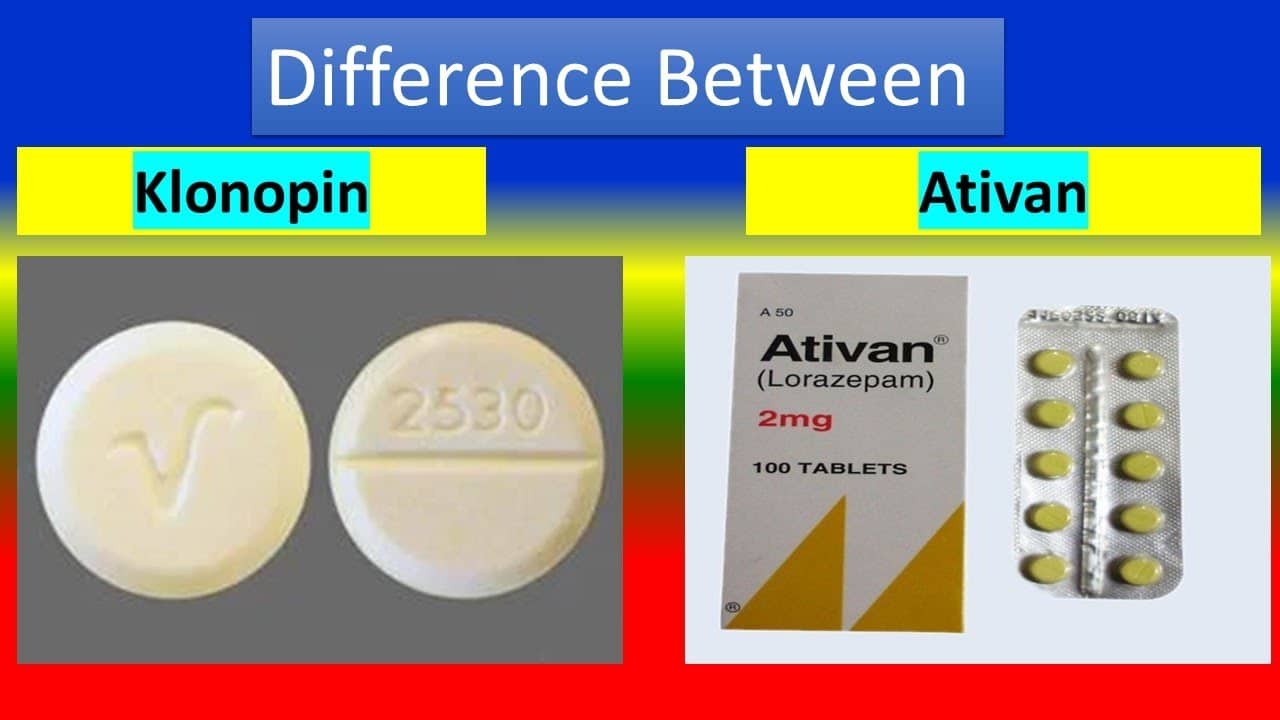
Selecting the appropriate pharmacological intervention for neurological stability is a nuanced process that requires a deep understanding of benzodiazepine kinetics. For many patients navigating the complexities of mental healthcare in 2026, the choice often narrows down to a comparison of ativan vs klonopin. While both medications serve as central nervous system depressants, they operate on different temporal scales and possess distinct metabolic profiles. Determining which is superior for a specific case involves more than just evaluating potency; it requires a strategic look at the patient’s lifestyle, the frequency of their symptoms, and their risk of sedation-related impairment.
The debate over ativan vs klonopin is central to clinical discussions regarding acute vs. chronic symptom management. Lorazepam (Ativan) is frequently hailed for its rapid onset and intermediate duration, whereas Clonazepam (Klonopin) is recognized for its extended presence in the bloodstream. Because these drugs are Schedule IV controlled substances, the stakes for making the correct choice are high. In this authoritative guide, we will analyze the biochemical nuances of ativan vs klonopin, explore their unique clinical applications, and provide the evidence-based insights necessary for maintaining safety while achieving emotional tranquility.
💡 Key Takeaways: Benzodiazepine Comparison
- Onset Speed: Ativan typically acts faster than Klonopin for immediate panic relief.
- Duration of Action: When comparing ativan vs klonopin, Klonopin stays in the system significantly longer.
- Metabolic Path: Ativan is metabolized through glucuronidation, making it generally safer for patients with compromised liver function (simple parentheses).
- Clinical Consensus: According to theMayo Clinic, the choice depends on whether the goal is to stop an active attack or prevent recurring symptoms.
What Is Ativan?
Ativan (lorazepam) is a high-potency benzodiazepine widely utilized in both psychiatric and emergency medicine. It is a foundational treatment within the Anxiety Medications category, designed to enhance the inhibitory effect of gamma-aminobutyric acid (GABA) in the brain. By increasing the frequency of chloride channel opening, Ativan effectively dampens the hyper-excitability of neurons that leads to panic, muscle tension, and seizures.
Because Ativan has an intermediate half-life, it occupies a unique space in the comparison of ativan vs klonopin. It is powerful enough to stop a status epilepticus episode but clears the system fast enough to avoid the multi-day “hangover” associated with longer-acting alternatives. This predictability makes it a gold standard for hospital settings and short-term outpatient management. However, its rapid onset also necessitates strict medical oversight to prevent the development of tolerance and physical dependence.
How Does Ativan Make You Feel? Learn 10 Remarkable Insights Into Its Effects
Conditions It Treats (Causes & Symptoms)
Both lorazepam and clonazepam are indicated for a variety of conditions, though their specific applications in ativan vs klonopin discussions often vary:
- Panic Disorder: Interrupting the “fight or flight” surge of adrenaline.
- Generalized Anxiety Disorder (GAD): Providing baseline stability for chronic worry.
- Social Phobia: Reducing the physiological tremors and heart rate spikes associated with social triggers.
- Seizure Disorders: Both are effective anticonvulsants, though Ativan is often used in acute emergencies.
- Insomnia: Managing sleep disturbances caused by high levels of evening arousal.
Ativan vs Klonopin
The primary distinction in the ativan vs klonopin debate lies in the duration of their therapeutic effects. Ativan is an intermediate-acting benzodiazepine, meaning its primary calming effects typically persist for 6 to 8 hours. In contrast, Klonopin is a long-acting benzodiazepine that can provide relief for up to 12 hours or more. When a patient asks about ativan vs klonopin, they are often choosing between “reactive” and “proactive” treatment. Ativan is excellent for managing a panic attack that is happening right now, whereas Klonopin is often used to prevent anxiety from rising throughout the entire day.
Another critical factor in ativan vs klonopin is the metabolic burden placed on the body. Ativan is processed primarily through glucuronidation, a pathway that is less dependent on the complex cytochrome P450 enzyme system in the liver. Klonopin, however, is heavily processed by these enzymes. This makes ativan vs klonopin a vital consideration for elderly patients or those taking multiple medications that might interfere with liver function. By selecting the drug that fits the patient’s metabolic capacity, clinicians can minimize the risk of drug-drug interactions and toxic accumulation.
Ativan vs Klonopin Based on Potency and Dosage Frequency
In terms of potency, the ativan vs klonopin comparison shows that Klonopin is generally considered more potent per milligram. While 1mg of Ativan is a standard therapeutic starting point, the equivalent effect from Klonopin might be achieved with a lower milligram dose. Because of its long half-life, Klonopin is typically dosed once or twice daily. Conversely, the intermediate nature of ativan vs klonopin means that Ativan may require more frequent dosing if used as a maintenance medication, though it is most commonly used on an “as-needed” basis.
The experience of “coming off” the medication also differs. Because Klonopin leaves the body slowly, the “crash” is often less noticeable than with shorter-acting drugs. However, the cumulative effect of ativan vs klonopin means that Klonopin can build up in the tissues over time, leading to persistent daytime sleepiness. When analyzing ativan vs klonopin for long-term use, doctors must weigh the convenience of infrequent dosing against the risk of lingering cognitive impairment that may affect driving or workplace performance in 2026.
Factors That Influence Ativan vs Klonopin Variation
Several physiological variables determine how a patient will respond to either medication:
- Age: Older adults typically metabolize benzodiazepines more slowly, which can make the long-acting nature of Klonopin more dangerous than the intermediate profile of ativan vs klonopin.
- Liver Health: Patients with hepatic impairment may find Ativan easier to process due to its simpler metabolic pathway.
- Comorbid Conditions: For those with epilepsy, the anticonvulsant properties of ativan vs klonopin are both significant, but the specific type of seizure may dictate the choice.
- Lifestyle Demands: If a patient needs to be mentally sharp within 4 hours of taking a dose, the faster clearance in the ativan vs klonopin comparison might favor Ativan.
- Drug History: Previous experience with benzodiazepines can influence tolerance and the perceived efficacy of ativan vs klonopin.
8 Vital Differences for Effective Management
1. The Half-Life Gap
The most objective measure in ativan vs klonopin is the half-life; Ativan is ~12 hours, while Klonopin can be 30–40 hours.
2. Metabolic Efficiency
Ativan’s glucuronidation path gives it an edge in the ativan vs klonopin safety profile for those with diverse medication regimens.
3. Onset of Relief
Ativan generally crosses the blood-brain barrier faster, making it the winner in ativan vs klonopin for sudden panic attacks.
4. Duration of Calm
Klonopin provides a smoother, longer-lasting “plateau” of relief, which is a key advantage in the ativan vs klonopin maintenance strategy.
5. Risk of Accumulation
Klonopin’s long presence in the body increases the risk of “stacking” doses, a major concern in the ativan vs klonopin safety check.
6. Anticonvulsant Specialization
While both help, Ativan is the clinical preference for stopping active seizures, while Klonopin is often used for long-term seizure prevention in the ativan vs klonopin hierarchy.
7. Withdrawal Intensity
Shorter-acting drugs in the ativan vs klonopin comparison can lead to more acute withdrawal symptoms if stopped abruptly.
8. Cognitive Impact
The “hangover” effect is statistically more common with Klonopin due to its long-term residence in the system.
Comparison Table: Ativan vs Klonopin At a Glance
| Feature | Ativan (Lorazepam) | Klonopin (Clonazepam) |
| Classification | Intermediate-Acting | Long-Acting |
| Half-Life | 10–20 Hours | 30–40 Hours |
| Primary Use | Acute Anxiety/Panic | GAD/Panic/Seizure Prevention |
| Metabolism | Glucuronidation (Simple) | Hepatic Enzymes (Complex) |
| Onset Speed | 30–60 Minutes | 1–2 Hours |
| Dosing Frequency | 2–3 times daily (or PRN) | 1–2 times daily |
This data highlights that the choice between ativan vs klonopin is essentially a choice between immediate flexibility and long-term coverage.
Safety & General Usage Information
Regardless of which side you land on in the ativan vs klonopin debate, safety must remain the priority. Both medications are central nervous system depressants and should never be combined with alcohol, opioids, or other sedatives. In 2026, the risk of respiratory depression is well-documented, and combining these substances can be fatal. If you are prescribed either medication, ensure you are in a safe environment when taking the first dose to see how it affects your coordination.
According to the U.S. Food and Drug Administration, these medications are intended for short-term use—usually no more than 2 to 4 weeks. Long-term use of either in the ativan vs klonopin comparison leads to physical dependence. If you decide to stop treatment, you must follow a medically supervised taper. Abruptly halting a benzodiazepine can cause severe withdrawal symptoms, including rebound anxiety, tremors, and in extreme cases, life-threatening seizures.
Possible Side Effects
When managing the transition between ativan vs klonopin, be aware of these common reactions:
- Somnolence: Excessive daytime sleepiness or grogginess.
- Ataxia: Loss of coordination or unsteadiness while walking.
- Cognitive Fog: Difficulty with memory or concentration.
- Muscle Weakness: A feeling of physical lethargy.
- Dizziness: Lightheadedness, especially when standing quickly.
Who Should Avoid It
In any discussion of ativan vs klonopin, the following groups face increased risks:
- Individuals with Sleep Apnea: Benzodiazepines can further depress breathing during sleep.
- Those with Narrow-Angle Glaucoma: Both medications can exacerbate this condition.
- Patients with Severe Respiratory Disease: Such as advanced COPD.
- Pregnant or Nursing Women: Due to the risk of neonatal sedation and withdrawal.
- History of Substance Use Disorder: Because of the high habituation potential found in both ativan vs klonopin.
Summary of Ativan vs Klonopin Comparisons
In summary, the comparison of ativan vs klonopin is a clinical puzzle that must be solved on an individual basis. Ativan offers the advantage of rapid onset and a cleaner metabolic profile, making it the superior choice for acute panic relief and for patients with complex health needs. Klonopin, with its extended half-life and consistent blood levels, is more suitable for those requiring around-the-clock symptom prevention. Neither medication is “better” in an absolute sense; rather, they are different tools designed for different therapeutic goals.
As we navigate the 2026 healthcare landscape, the focus remains on using these powerful substances with precision. By understanding the differences in ativan vs klonopin, you can work more effectively with your doctor to create a treatment plan that balances relief with safety. Always remember that benzodiazepines are most effective when used as part of a broader approach to mental health that includes therapy and lifestyle modifications. Informed decision-making is your best defense against the complications of anxiety.
Optimize Your Path to Stability
Are you looking for a more personalized approach to your mental health? Understanding the nuances of Anxiety Medications is the first step toward a safer and more effective recovery. We are committed to providing the clinical education and professional support you need to navigate the complexities of 2026 pharmaceutical care. Visit our Shop today to learn more about our commitment to patient safety and to explore the resources available for your wellness journey. Let us help you find the clarity you need to choose the right path for your health.
FAQ: Ativan vs Klonopin
Is Ativan stronger than Klonopin?
Per milligram, Klonopin is usually more potent. However, “strength” in the ativan vs klonopin context usually refers to how quickly you feel the relief, where Ativan often wins.
Which is better for sleep, ativan vs klonopin?
Ativan may help you fall asleep faster due to its onset, but Klonopin may help you stay asleep longer because of its half-life. The choice of ativan vs klonopin for sleep depends on your specific type of insomnia.
Can I switch between them easily?
No. Switching in the ativan vs klonopin comparison requires a doctor’s supervision to ensure the equivalent dose is calculated correctly and to avoid withdrawal.
Does Ativan or Klonopin last longer in a drug test?
Klonopin typically stays detectable longer because of its 30–40 hour half-life, which is a major difference in the ativan vs klonopin detection window.
Which has fewer side effects, ativan vs klonopin?
Both have similar side-effect profiles. However, some patients find Ativan causes less “next-day grogginess” than Klonopin because it leaves the system faster.
Medical Disclaimer
This information is provided for educational purposes only and does not constitute medical advice. The choice between ativan vs klonopin must be made by a licensed healthcare professional. Benzodiazepines carry a high risk for addiction, misuse, and overdose. For more information on safe usage and reporting adverse effects, visit the U.S. National Library of Medicine. In a medical emergency, call 911 immediately.