Blog
Diazepam Antidote: 5 Critical Facts About Life-Saving Reversal Agents
Introduction
The clinical utility of benzodiazepines in modern medicine is undeniable, providing relief for millions suffering from acute distress and neurological instability. However, with the widespread use of these therapeutic agents comes the inherent risk of over-sedation or accidental toxicity. In emergency medicine, identifying the correct diazepam antidote is a high-priority intervention that can mean the difference between routine recovery and severe respiratory complications. This guide explores the pharmacological mechanisms used to counteract excessive benzodiazepine levels and the protocols healthcare providers follow during a crisis.
When a patient experiences an adverse reaction or an intentional overdose, the primary goal of the medical team is to restore respiratory drive and cognitive awareness. The diazepam antidote, known scientifically as flumazenil, serves as a specific competitive inhibitor that displaces the medication from its binding sites in the brain. Understanding the nuances of this reversal process is essential for clinicians and informed patients alike, ensuring that the benefits of Anxiety Medications are balanced with a robust safety net.
Key Takeaways
- Primary Antidote: Flumazenil (Romazicon) is the only FDA-approved diazepam antidote.
- Mechanism: It acts as a competitive antagonist at the GABAA receptor complex.
- Emergency Priority: Reversal is primarily indicated for severe respiratory depression or deep anesthesia.
- Risks: Rapid reversal can trigger seizures in chronic benzodiazepine users.
What Is Diazepam?
Diazepam is a powerful, long-acting member of the benzodiazepine class. Since its inception, it has been utilized globally for its sedative, anxiolytic, anticonvulsant, and muscle-relaxing properties. By enhancing the effect of the inhibitory neurotransmitter gamma-aminobutyric acid (GABA), diazepam effectively “slows down” the central nervous system.
Due to its high lipid solubility and long half-life, diazepam remains in the system significantly longer than many other sedatives. This metabolic profile is exactly why knowledge of a diazepam antidote is so critical; the drug’s effects can persist for days in certain populations, increasing the window for potential toxicity.
Conditions It Treats (Causes & Symptoms)
Before discussing the reversal of the drug, it is important to understand why it is prescribed. Diazepam is a versatile tool used to manage symptoms arising from central nervous system overactivity:
- General Anxiety and Panic: Suppressing the “fight or flight” response during acute episodes.
- Muscle Spasms and Spasticity: Relieving tension caused by neurological trauma or disorders.
- Seizure Disorders: Acting as an adjunctive treatment to stop active convulsions.
- Alcohol Withdrawal Syndrome: Preventing dangerous tremors and delirium tremens.
While Diazepam is highly effective for these conditions, excessive accumulation in the bloodstream can lead to “benzodiazepine-induced respiratory depression,” a state where the brain forgets to tell the lungs to breathe.
Diazepam Antidote
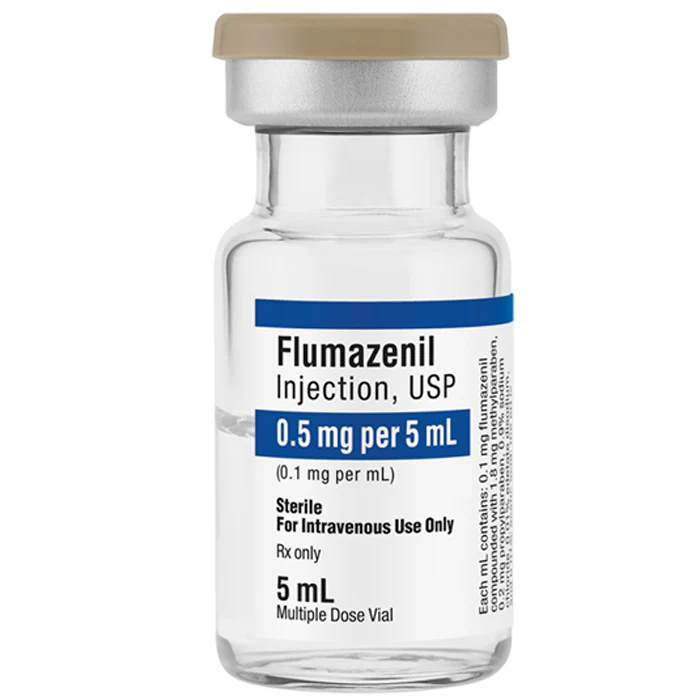
In clinical toxicology, the term diazepam antidote refers almost exclusively to flumazenil. Developed to provide a rapid “off switch” for benzodiazepines, flumazenil is a specialized imidazobenzodiazepine derivative. It is the cornerstone of any emergency medicine antidotes list in hospitals worldwide.
The administration of a diazepam antidote is not always a first-line response. In cases of mild over-sedation, doctors often prefer “supportive care”—monitoring the patient’s breathing and heart rate until the drug naturally metabolizes. However, when the patient’s airway is compromised or when sedation is so deep that it prevents necessary medical assessment, the use of a reversal agent becomes mandatory.
Diazepam Antidote Based on Clinical Application and Speed
The effectiveness of a diazepam antidote is measured by its “affinity” for the benzodiazepine receptor. Flumazenil has a higher affinity for the receptor than diazepam does, essentially “kicking” the diazepam off the receptor to take its place. Once the flumazenil is attached, it prevents the diazepam from exerting its sedative effects.
- Onset of Action: Flumazenil typically begins to reverse sedation within 1 to 2 minutes of intravenous injection.
- Duration of Effect: A significant challenge in diazepam toxicity management is that flumazenil has a very short half-life (about one hour). Because diazepam lasts much longer, the patient may “re-sedate” once the antidote wears off, requiring multiple doses or a continuous infusion.
Factors That Influence Diazepam Antidote Efficacy
Not every patient responds to a diazepam antidote in the same way. Several clinical variables must be considered by the emergency team:
- Polysubstance Overdose: If a patient has taken diazepam along with tricyclic antidepressants or cocaine, the flumazenil contraindications in mixed overdose become critical. In these cases, the antidote can lower the seizure threshold, causing life-threatening convulsions.
- Chronic vs. Acute Use: Patients who have taken Valium for years have a nervous system that is adapted to the drug. A sudden reversal of benzodiazepine sedation can trigger acute withdrawal.
- Metabolic Health: Liver function plays a role in how both the drug and its antidote are cleared from the body.
7 Clinical Benefits and Uses of Benzodiazepine Antagonists
The clinical use of benzodiazepine receptors antagonists extends beyond just treating overdoses. Here are the primary applications:
- Reversal of Conscious Sedation: Quickly waking up patients after minor surgical procedures or endoscopies.
- Emergency Overdose Intervention: Stabilizing patients in the ER who are suffering from severe respiratory distress.
- Diagnostic Tool: Helping doctors determine if a patient’s coma is caused by benzodiazepines or a different neurological event.
- Pediatric Safety: Providing a rapid intervention for children who accidentally ingest family medication.
- Neurological Assessment: Allowing for a “neurological window” where a doctor can check a patient’s brain function without the interference of heavy sedation.
- Managing Benzodiazepine Toxicity: Reducing the time a patient needs to spend on a mechanical ventilator.
- Improving Post-Operative Recovery: Shortening the time spent in the recovery room by neutralizing lingering sedative effects.
Comparison Section: Flumazenil vs Naloxone
In the world of emergency medicine antidotes list, people often confuse flumazenil with naloxone (Narcan). While they are both reversal agents, they work on entirely different systems.
| Feature | Flumazenil (Diazepam Antidote) | Naloxone (Opioid Antidote) |
| Primary Target | Benzodiazepines (Diazepam, Xanax, etc.) | Opioids (Heroin, Fentanyl, Oxycodone) |
| Receptor Site | GABA-A Receptors | Mu-Opioid Receptors |
| Mechanism | Benzodiazepine Antagonist | Opioid Antagonist |
| Common Brand | Flumazenil brand name: Romazicon | Narcan / Kloxxado |
Export to Sheets
It is a common medical misconception that naloxone can reverse a Valium overdose. It cannot. Only a specific benzodiazepine antagonist mechanism provided by flumazenil can counteract diazepam.
Safety & General Usage Information
The flumazenil safety profile is well-documented but requires expert handling. The flumazenil dosage for diazepam reversal must be titrated carefully—starting with small amounts and increasing only if the patient does not respond. This “slow and steady” approach helps prevent the brain from entering a state of shock or withdrawal.
Possible Side Effects
Even though it is an antidote, flumazenil can cause its own set of reactions:
- Autonomic Arousal: Sweating, flushing, and rapid heartbeat.
- Neurological: Agitation, anxiety, and in rare cases, seizures.
- Physical: Nausea or pain at the site of the romazicon injection.
Who Should Avoid It
The most significant flumazenil contraindications in mixed overdose involve patients who have a history of epilepsy or those who are suspected of having ingested drugs that cause seizures (like certain antidepressants). In these individuals, the diazepam antidote could remove the “protective” anti-seizure effect of the diazepam, leading to status epilepticus.
Summary of Diazepam Antidote
In conclusion, managing a benzodiazepine crisis requires a sophisticated understanding of pharmacological interactions. The diazepam antidote, flumazenil, is a powerful tool in the arsenal of emergency physicians, offering a rapid reversal of benzodiazepine sedation. However, its use is strictly regulated based on the patient’s medical history and the specific nature of the toxicity. Whether it is used to wake a patient after surgery or as part of a diazepam overdose treatment protocol, the goal is always the same: patient safety and the restoration of natural respiratory function.
For those managing their health through Anxiety Medications, awareness of safety protocols and professional guidance is the best way to ensure therapeutic success without unnecessary risk.
Choosing the Right Path for Your Wellness
Making an informed choice about your mental health and neurological well-being requires access to the right resources and professional guidance. Understanding the pharmacological differences and safety measures for various treatments is essential for any successful recovery plan. To explore a comprehensive range of options and find detailed product information, you may visit our professional Shop to assist in your journey toward wellness.
FAQ: Frequently Asked Questions About Diazepam Antidotes
What is the flumazenil brand name? The most common brand name for the diazepam antidote in the United States and Europe is Romazicon.
Is there an over-the-counter way how to reverse valium effects? No. There is no “home remedy” or over-the-counter version of a diazepam antidote. If you suspect an overdose, you must call emergency services immediately for professional diazepam toxicity management.
How much does a romazicon injection cost? The romazicon injection cost can vary significantly depending on the hospital setting and regional healthcare pricing, often ranging from $100 to over $500 per vial, though this is usually covered by insurance in emergency settings.
Where can medical professionals find where to buy flumazenil for clinics? Licensed healthcare facilities can procure flumazenil through authorized pharmaceutical wholesalers and medical supply distributors, ensuring it is always available on their emergency medicine antidotes list.
Can flumazenil reverse alcohol intoxication? While flumazenil has been studied for alcohol reversal due to alcohol’s effect on GABA receptors, it is not FDA-approved for this use and is generally not used for this purpose in clinical practice.
Medical Disclaimer
This article is for informational purposes only and does not constitute medical advice or a recommendation for treatment. In the event of a suspected overdose or medical emergency, contact your local emergency services (such as 911) immediately. The administration of a diazepam antidote must only be performed by trained medical professionals in a clinical setting. For detailed clinical guidelines, please refer to the National Library of Medicine or the World Health Organization.