Blog
Diazepam vs Clonazepam: 7 Vital Differences for a Proven Treatment Plan
Introduction
The landscape of benzodiazepine therapy can be complex, especially when evaluating the nuances of diazepam vs clonazepam. Both medications belong to the same pharmacological class, yet they serve distinct roles in clinical practice. Whether managing acute panic, chronic muscle tension, or seizure disorders, understanding how these two powerful agents interact with the central nervous system is vital for patient safety and therapeutic success. In this guide, we delve into the clinical data to compare their efficacy, metabolic profiles, and long-term implications for health.
What Is Diazepam?
Diazepam, famously known by its original brand name Valium, is one of the most versatile benzodiazepines ever synthesized. It works by enhancing the effects of gamma-aminobutyric acid (GABA), the primary inhibitory neurotransmitter in the brain. By increasing GABAergic activity, diazepam induces a state of calm, reduces muscle tremors, and prevents convulsive activity.
Conditions It Treats (Causes & Symptoms)
Diazepam is frequently prescribed for conditions where rapid muscle relaxation or sedation is required. Its broad-spectrum utility includes:
- Acute Anxiety States: Rapidly reducing the physical symptoms of distress.
- Muscle Spasms: Treating hypertonia caused by neurological disorders or local trauma.
- Alcohol Withdrawal: Managing agitation and preventing life-threatening seizures during detoxification.
- Status Epilepticus: Use in emergency settings to stop prolonged seizures.
H2: Diazepam vs Clonazepam
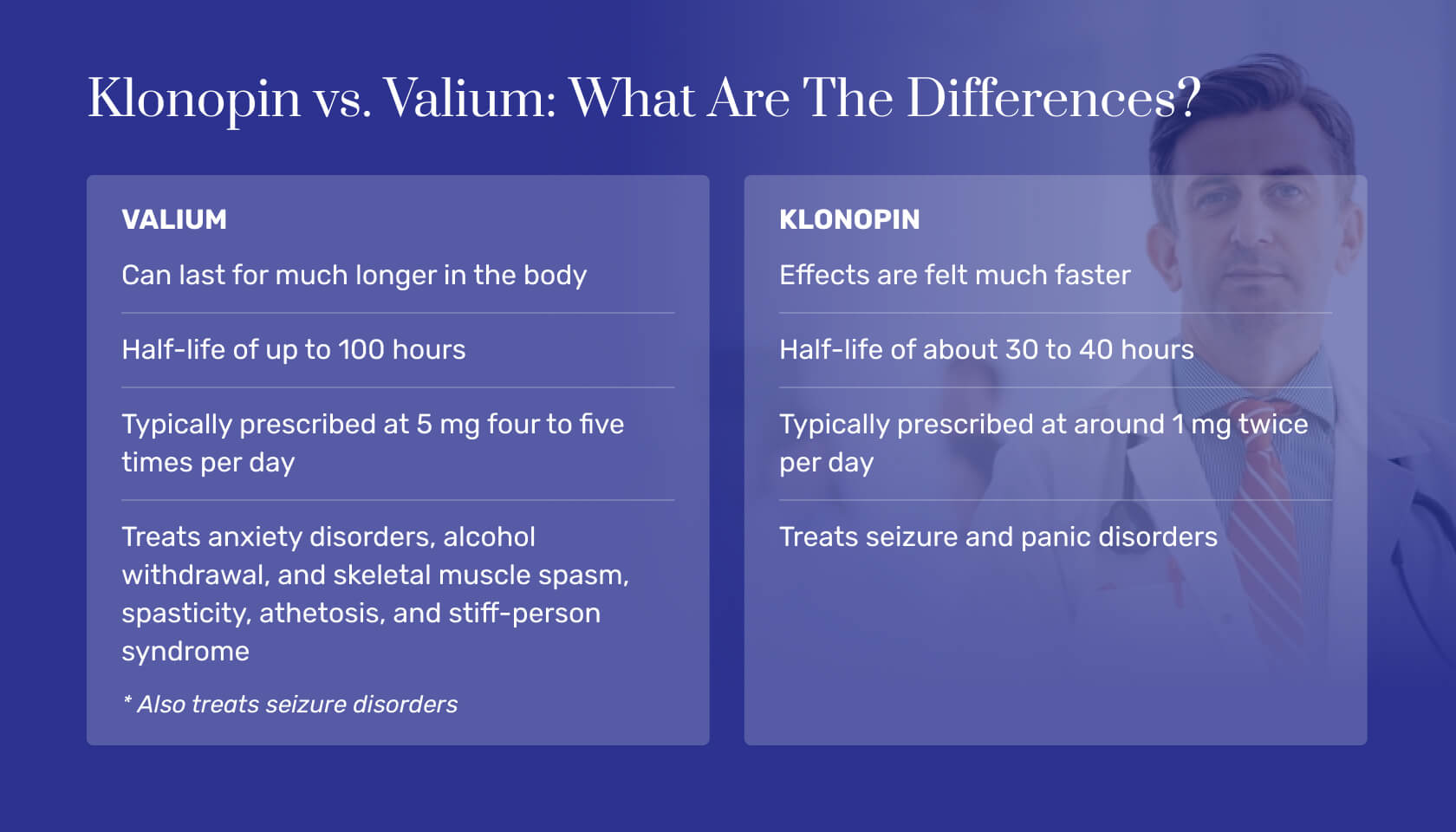
When looking at diazepam vs clonazepam, the primary distinction lies in their “pharmacokinetic” personality. Diazepam is characterized by an incredibly fast onset of action but a very complex metabolic pathway. It is highly lipid-soluble, meaning it crosses the blood-brain barrier rapidly, often providing relief within minutes.
In contrast, clonazepam (Klonopin) is generally slower to reach peak concentrations but maintains a more “level” presence in the bloodstream. While diazepam is often the go-to for acute, episodic issues, clonazepam is frequently favored for the steady-state management of chronic conditions like generalized anxiety disorder (GAD) or certain types of epilepsy.
H2: Diazepam vs Clonazepam Based on Half-Life and Duration
The concept of a “half-life” refers to the time it takes for the concentration of a drug in the body to reduce by half. This is a critical area of divergence for these two substances.
- Diazepam Half-Life: Diazepam has a long half-life (up to 48 hours), but it also produces active metabolites like desmethyldiazepam, which can remain in the system for over 100 hours.
- Clonazepam Half-Life: Clonazepam has a mid-to-long half-life, typically ranging from 30 to 40 hours, and it does not produce the same level of long-acting active metabolites as diazepam.
Because of these differences, diazepam vs clonazepam comparisons often focus on the “hangover effect.” Diazepam’s metabolites can accumulate in the body over time, particularly in elderly patients, potentially leading to prolonged sedation or cognitive impairment.
Factors That Influence Diazepam vs Clonazepam Efficacy
Several biological and lifestyle factors can change how a patient responds to these medications:
- Liver Function: Both drugs are processed by the liver. Patients with hepatic impairment may process diazepam much slower, increasing the risk of toxicity.
- Age: Older adults are more sensitive to the ataxia (unsteadiness) caused by benzodiazepines.
- Metabolic Rate: Genetic variations in cytochrome P450 enzymes can accelerate or delay drug clearance.
- Drug Interactions: Concomitant use of opioids or alcohol significantly increases the risk of respiratory depression.
Key Takeaways
- Speed: Diazepam acts faster (onset of action) than clonazepam.
- Potency: Clonazepam is considered more potent milligram-for-milligram.
- Metabolism: Diazepam stays in the system longer due to active metabolites.
- Primary Use: Diazepam is often preferred for muscle spasms and alcohol withdrawal; clonazepam for panic disorders and seizures.
7 Clinical Uses and Benefits
- Rapid Onset for Panic: Diazepam’s high lipid solubility allows it to work quickly during acute episodes.
- Superior Muscle Relaxation: Diazepam vs clonazepam for muscle spasms is a common comparison where diazepam usually wins due to its specific effect on spinal interneurons.
- Seizure Control: Both are effective anticonvulsants, though clonazepam is often used for long-term absence or myoclonic seizures.
- Alcohol Withdrawal Management: Use of diazepam vs clonazepam for alcohol withdrawal is common, with diazepam being the gold standard for preventing “delirium tremens.”
- Anxiety Stabilization: Clonazepam provides a smoother experience for those needing 24-hour coverage.
- Pre-operative Sedation: Reducing patient anxiety before medical procedures.
- Tapering Support: Due to its long-lasting metabolites, doctors often use tapering from clonazepam to diazepam strategies to minimize withdrawal symptoms.
Comparison: Klonopin vs Valium for Anxiety
When patients discuss klonopin vs valium for anxiety, they are essentially comparing the brand names of clonazepam and diazepam. For many, the choice comes down to the nature of the anxiety.
- Panic Attacks: The onset of action diazepam vs clonazepam favors diazepam for a “rescue” medication because it hits the system faster.
- Sustained Anxiety: Clonazepam is often preferred for diazepam vs clonazepam for panic attacks that occur frequently throughout the day, as its blood levels remain more stable.
Clonazepam to Diazepam Conversion Chart (Approximate)
| Medication | Equivalent Dose (approx.) | Onset Speed | Duration |
| Diazepam | 10 mg | Very Fast | Very Long (with metabolites) |
| Clonazepam | 0.5 mg | Intermediate | Long |
Export to Sheets
Note: Dosage equivalency is not an exact science and must be managed by a healthcare professional.
Safety & General Usage Information
Both medications are Schedule IV controlled substances, meaning they have a potential for misuse and dependence. They should never be stopped abruptly, as this can trigger severe withdrawal symptoms, including rebound anxiety and seizures.
Side Effects of Diazepam vs Clonazepam
While side effects are similar, their intensity can vary:
- Common: Drowsiness, dizziness, and fatigue.
- Cognitive: Memory impairment or “brain fog,” especially with long-term effects of diazepam vs clonazepam.
- Physical: Ataxia (clumsiness) or slowed reaction times, making driving hazardous.
Who Should Avoid It
- Individuals with a history of substance use disorder.
- Patients with Myasthenia Gravis (due to muscle-relaxing properties).
- People with severe respiratory insufficiency or sleep apnea.
- Pregnant or breastfeeding women (due to potential risks to the developing fetus).
Summary of Diazepam vs Clonazepam
In the debate of is diazepam or clonazepam stronger, it is important to remember that strength is relative to the condition being treated. Clonazepam is more potent by weight (0.5 mg of clonazepam is roughly equal to 10 mg of diazepam), but diazepam’s rapid onset makes it “stronger” for immediate relief of spasms or acute agitation. Ultimately, the choice between diazepam vs clonazepam depends on the patient’s metabolic profile and the specific symptoms they aim to manage.
For those requiring reliable relief from debilitating tension or neurological symptoms, high-quality Diazepam remains a cornerstone of pharmaceutical intervention. Ensuring you are using the correct Anxiety Medications is the first step toward reclaiming a balanced quality of life.
Making an informed choice about your mental health and neurological well-being requires access to the right resources and professional guidance. Understanding the pharmacological differences between various treatments is essential for any successful recovery plan. To explore a comprehensive range of options and find detailed product information, you may visit our professional Shop to assist in your journey toward wellness.
FAQ: Common Questions About Diazepam and Clonazepam
Which is better for sleep: diazepam vs clonazepam? While both have sedative properties, neither is typically recommended as a first-line treatment for chronic insomnia. Diazepam may help one fall asleep faster, while clonazepam may help one stay asleep longer.
Can I switch from clonazepam to diazepam? Yes, doctors often perform a clonazepam to diazepam conversion when a patient needs to taper off benzodiazepines, as diazepam’s longer half-life allows for a smoother reduction in dosage.
Is diazepam or clonazepam stronger for muscle spasms? Diazepam is generally considered more effective for diazepam vs clonazepam for muscle spasms because of its unique ability to reduce skeletal muscle tone via central pathways.
What are the long-term effects of diazepam vs clonazepam? Long-term use of either can lead to tolerance, physical dependence, and cognitive decline. Studies by the Mayo Clinic suggest that benzodiazepine use in the elderly should be monitored closely to prevent falls.
How long does it take for these medications to start working? The onset of action diazepam vs clonazepam differs; diazepam usually begins working within 15–30 minutes, whereas clonazepam may take 1–2 hours to reach therapeutic levels.
Medical Disclaimer
This content is for informational and educational purposes only and does not constitute medical advice. Benzodiazepines carry a high risk of dependency and should only be used under the strict supervision of a licensed healthcare provider. Never adjust your dosage or stop taking medication without consulting your doctor. Information provided here is based on general clinical data and may not apply to your specific health situation. For more information on drug safety, refer to the FDA or the NCBI Bookshelf.