
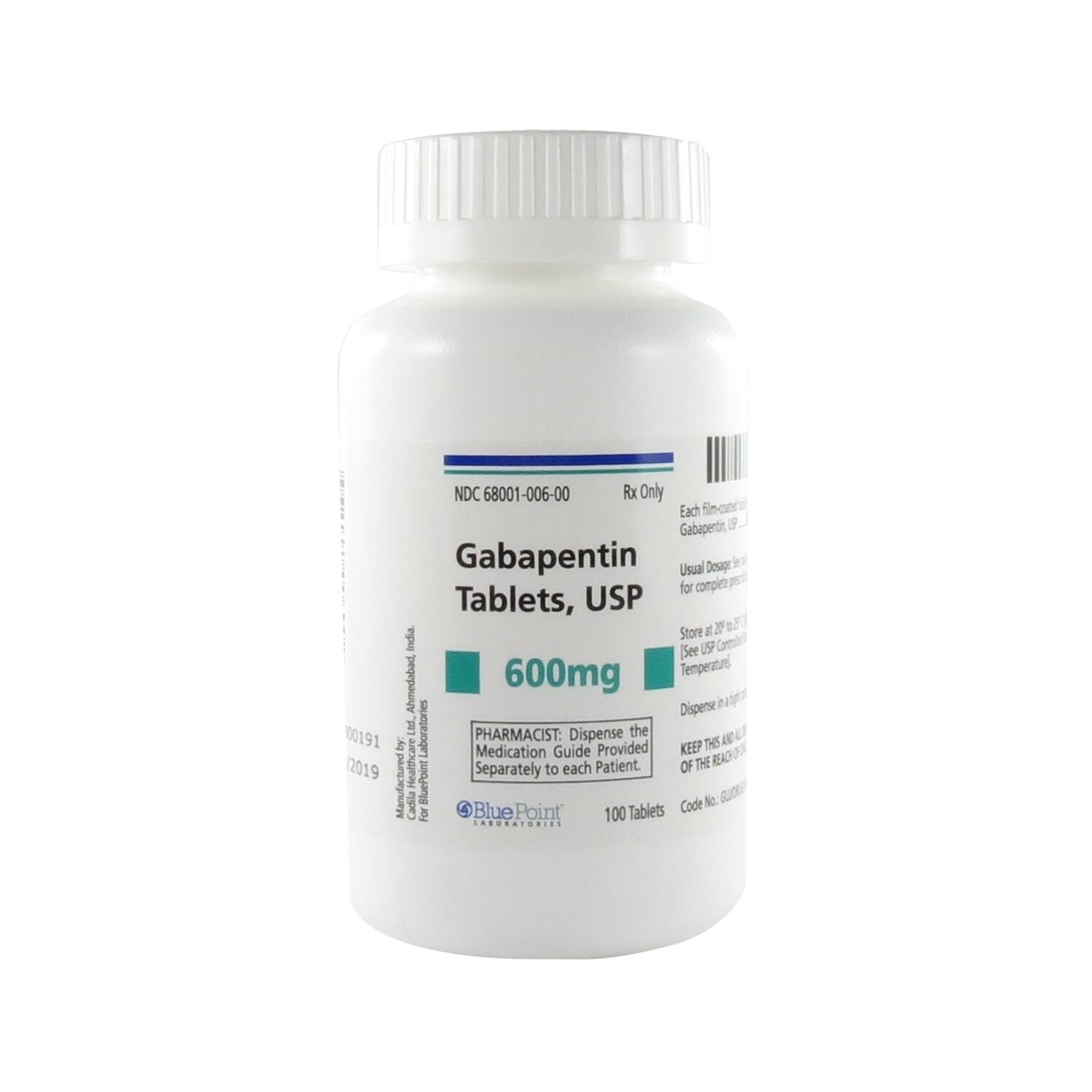
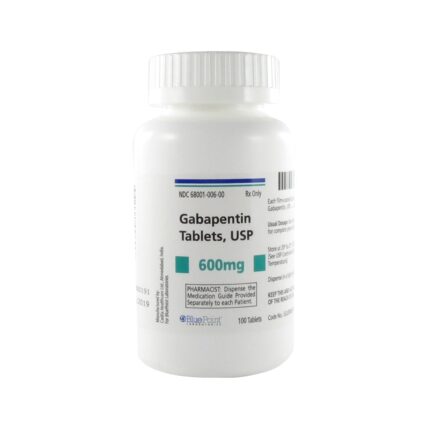
Gabapentin
Price range: $175.00 through $2,250.00
What is Gabapentin and How Does it Work?
Gabapentin is a widely prescribed medication known for its effectiveness in treating nerve-related pain and neurological conditions. Although originally developed as an anticonvulsant, its primary use today is as a “neuropathic analgesic.” It is specifically engineered to address pain that originates from the nerves themselves—something traditional anti-inflammatories often cannot touch. For individuals dealing with the lingering effects of shingles, diabetic nerve damage, or spinal sensitivity, it offers a reliable path to relief.
By choosing Gabapentin, you are utilizing a time-tested pharmaceutical solution that focuses on the “electrical” side of pain. Its ability to soothe the nervous system makes it a top choice for patients who want to move away from heavy narcotics and toward a more specialized, nerve-focused approach to recovery.
The Biological Mechanism: How It Works
The power of this treatment lies in its ability to regulate the body’s chemical signaling process:
1. Neurotransmitter Regulation
While it is structurally similar to the brain chemical GABA, the medication does not bind to GABA receptors. Instead, it works by interacting with the calcium channels in the brain and spinal cord. This interaction reduces the release of excitatory neurotransmitters that send “pain alarms” to the brain.
2. Pain Signal Dampening
For those with chronic nerve conditions, the nerves are often in a state of “permanent alert.” The treatment helps lower this state of hyper-arousal, muting the sensations of “pins and needles” and burning that can make daily tasks difficult.
3. Synergistic Healing
By stabilizing the electrical activity in the brain, Gabapentin not only reduces pain but can also assist in managing the “restlessness” often found in the legs or the general agitation that accompanies chronic discomfort.
Necessary Dosage & Administration Information
To achieve the best results, Gabapentin requires a consistent schedule to keep levels stable in the bloodstream.
| Indication | Typical Starting Dose | Frequency |
| Nerve Pain | 300 mg | 3 times daily |
| Post-Surgical | 300 mg – 600 mg | As directed |
| Restless Legs | 300 mg | Once daily (evening) |
Best Practices for Use
-
The “First Night” Rule: Many professionals recommend taking your first dose in the evening to allow your body to adjust to the relaxing effects.
-
Consistency is Key: Do not skip doses; the medication works best when it maintains a steady presence in your system.
-
Hydration: Always take capsules with a full glass of water.
Side Effects and Safety Monitoring
The tolerability of the medication is generally high, but the body usually requires a few days to acclimate to the neurological shift.
Common Effects:
-
Mild Drowsiness: Often helpful for those whose pain prevents them from sleeping.
-
Dizziness: Usually occurs during the titration (increase) of the dose.
-
Dry Mouth: A minor effect that can be managed with increased water intake.
- See more here
Critical Safety Warnings:
-
Alcohol: Strictly avoid alcohol, as it can significantly enhance the sedative effects and cause coordination issues.
-
Antacids: Avoid taking antacids (like Maalox or Mylanta) within 2 hours of your dose, as they can interfere with absorption.
-
Mental Health: Monitor for any changes in mood or unusual thoughts during the first few weeks of treatment.
-
Safe Taper: Never stop taking the medication abruptly. A gradual reduction is necessary to prevent a rebound of symptoms.
Frequently Asked Questions (FAQs)
1. Is Gabapentin an opioid?
No. It is a non-opioid medication that works on the nervous system’s calcium channels rather than the brain’s opioid receptors.
2. How long does it take to work?
While some feel an effect within a few days, it typically takes 1 to 2 weeks of consistent use for the full “nerve-quieting” benefits to be felt.
3. Why is this a top seller for diabetic patients?
It is the gold standard for treating “Diabetic Peripheral Neuropathy,” which is the nerve damage in the feet and hands caused by high blood sugar.
4. Can I take it for a toothache?
It is not typically used for dental pain unless the pain is related to nerve damage in the jaw (like trigeminal neuralgia).
5. Does it help with anxiety?
While not its primary indication, many patients report a secondary benefit of reduced anxiety due to its calming effect on the central nervous system.
6. What should I do if I miss a dose?
Take it as soon as you remember. If it is almost time for your next dose, skip the missed one. Never double up.
7. Can I take Gabapentin with ibuprofen?
Yes, it is often safely combined with non-steroidal anti-inflammatory drugs (NSAIDs) to provide a multi-layered approach to pain relief.
8. How should I store the capsules?
Store in a cool, dry place away from heat and out of reach of children or pets.
9. Will Gabapentin make me feel “fuzzy” in the head?
Some users experience “brain fog” initially, but this usually clears once the body reaches a maintenance level.
10. How do I know the product is authentic?
Genuine Gabapentin arrives in professional pharmaceutical blister packs or bottles with clear imprints and verifiable batch codes.
Conclusion
Gabapentin remains the trusted choice for those seeking unrivaled relief from the complexities of nerve-related pain. By stabilizing the nervous system and muting chronic signals of discomfort, it provides a safe and effective pathway back to a life of comfort and rest.
| Strength (mg) |
100mg ,300mg ,400mg ,600mg ,800mg |
|---|---|
| Quantity |
50 tablets ,100 tablets ,200 tablets ,500 tablets |
1 review for Gabapentin
Related products
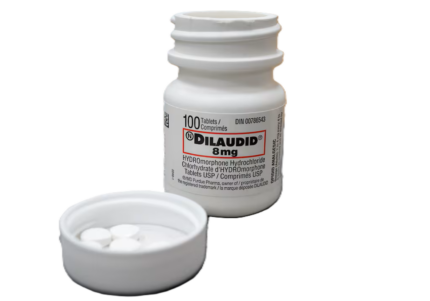
Dilaudid (Hydromorphone)
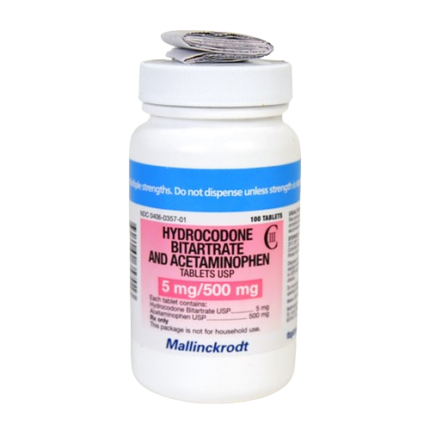
Hydrocodone


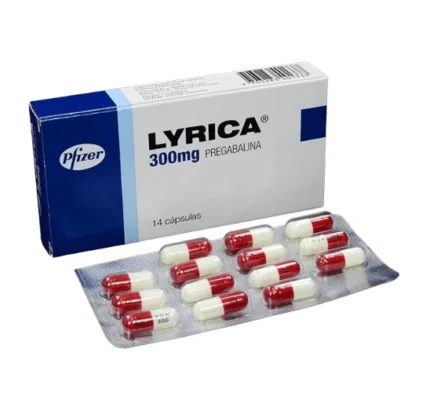
Pregabalin
Pregabalin is a premier prescription medication designed to soothe overactive nerves and restore quality of life. Whether you are battling the "burning" sensations of diabetic neuropathy, the widespread discomfort of fibromyalgia, or the intrusive symptoms of generalized anxiety, this treatment provides a targeted, neurological approach to relief.

Jordan Hayes –
After getting scammed before, I was lucky to have found you guys. Ever since my boy recommended y’all to me, my ordering process has been smooth, and I love the fact that I can pay with Bitcoin for complete privacy. My orders always arrive on time and exactly as described. Highly recommend. Keep up the good work ❤️— Jordan Hayes, London, United Kingdom