Blog
Vyvanse vs Adderall: 10 Critical Differences for Proven ADHD Success
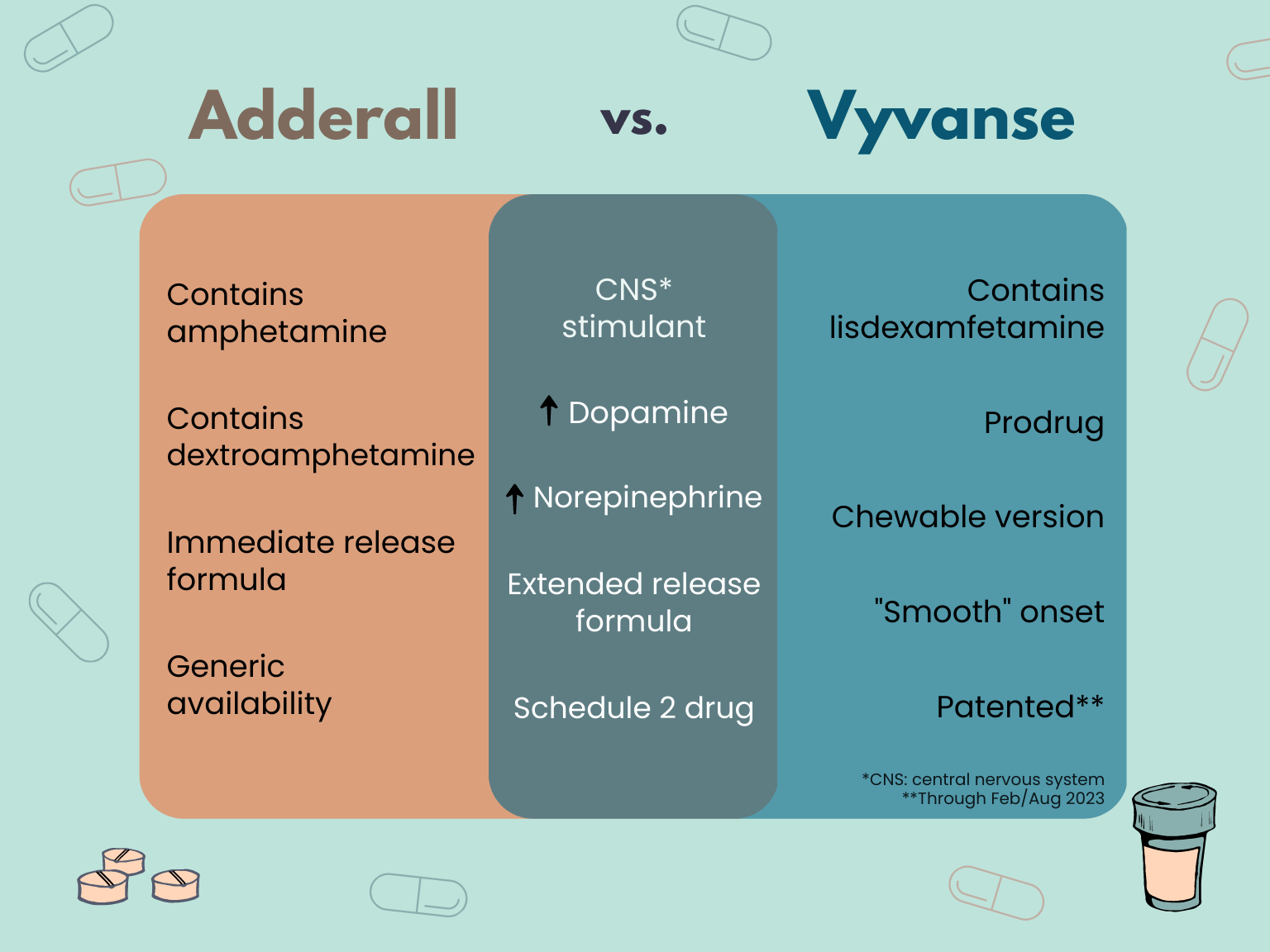
Introduction
Navigating the complexities of neurodevelopmental treatment requires a clear understanding of the pharmacological tools available. For many patients and clinicians, the debate of vyvanse vs adderall is central to finding a sustainable path toward focus and emotional regulation. While both medications are central nervous system stimulants used to treat Attention Deficit Hyperactivity Disorder (ADHD), they operate through different chemical delivery systems. Choosing the wrong medication can lead to unnecessary side effects, while the right choice can significantly enhance a patient’s quality of life.
The primary challenge in the vyvanse vs adderall comparison lies in how the body processes each drug. One offers a steady, long-term release, while the other provides a more immediate impact. Understanding these nuances is essential for anyone considering switching from adderall to vyvanse or vice versa. In this comprehensive analysis, we will explore the clinical data surrounding vyvanse vs adderall to help you make an informed decision alongside your healthcare provider.
Key Takeaways: Stimulant Comparison
- Mechanism: Vyvanse is a prodrug (inactive until metabolized), whereas Adderall contains active amphetamine salts.
- Duration: Vyvanse generally lasts longer (up to 14 hours) compared to Adderall XR (up to 12 hours).
- Abuse Potential: The prodrug nature of Vyvanse is designed to reduce the risk of misuse via non-oral routes.
- Indications: Both treat ADHD, but Vyvanse is also FDA-approved for Binge Eating Disorder (BED).
What Is Vyvanse?
Vyvanse (lisdexamfetamine dimesylate) is a long-acting stimulant medication. Unlike traditional stimulants, it is a prodrug. This means it remains inactive in the body until it reaches the bloodstream, where enzymes in the red blood cells convert it into d-amphetamine. This enzymatic conversion process is what makes many patients feel that is vyvanse smoother than adderall, as the medication is released at a consistent rate regardless of gastric pH or physical activity levels.
Because of this unique delivery method, Vyvanse provides a reliable therapeutic window. It is widely prescribed within the ADHD Medications category for its ability to provide day-long coverage without the need for midday “booster” doses, which are common with shorter-acting stimulants.
Conditions It Treats (Causes & Symptoms)
Both medications are highly effective at managing symptoms stemming from dopamine and norepinephrine imbalances in the brain.
- ADHD (Inattentive & Hyperactive): Addressing lack of focus, impulsivity, and restlessness.
- Binge Eating Disorder (BED): Vyvanse is specifically indicated for reducing the frequency of binge episodes.
- Narcolepsy: While primarily an off-label use for Vyvanse, Adderall is FDA-approved to treat excessive daytime sleepiness.
- Executive Dysfunction: Improving the ability to plan, organize, and initiate tasks.
Vyvanse vs Adderall
When evaluating vyvanse vs adderall, the most significant clinical difference is the ingredient profile. Adderall is a combination of four different amphetamine salts (75% dextroamphetamine and 25% levoamphetamine). The presence of levoamphetamine is often why patients notice a difference in vyvanse vs adderall heart rate; levoamphetamine tends to have a stronger effect on the peripheral nervous system, which can increase physical jitteriness.
Furthermore, the vyvanse vs adderall for adult adhd decision often hinges on the patient’s lifestyle. Adults who require a 14-hour workday of focus may find the longevity of lisdexamfetamine more suitable. Conversely, those who need more flexibility in their dosing or a stronger “kick” to start their morning may prefer the immediate-release or extended-release profiles of Adderall.
Vyvanse vs Adderall Based on Duration and the “Crash”
A major point of comparison is the vyvanse vs adderall crash comparison. Because Vyvanse relies on enzymatic conversion, the levels of medication in the blood rise and fall gradually. This “slow ramp” often results in a milder comedown. In contrast, even the extended-release version of Adderall can have a sharper drop-off, leading to increased vyvanse vs adderall irritability in the late afternoon or evening as the drug leaves the system.
The vyvanse vs adderall xr duration also favors Vyvanse for those with long days. While Adderall XR is designed to last roughly 10–12 hours, many patients find it lasts closer to 8. Vyvanse is clinically documented to provide up to 14 hours of symptom control. However, this extended duration means that taking the medication too late in the morning can significantly interfere with sleep, a factor that must be considered when looking at the vyvanse vs adderall metabolic timeline.
Factors That Influence Vyvanse vs Adderall Variation
Several physiological and external factors can impact how these drugs perform:
- Metabolic Rate: Individual enzyme levels determine how quickly Vyvanse is converted, while urinary pH can change how quickly Adderall is excreted.
- Comorbidities: Patients with anxiety may find vyvanse vs adderall irritability more pronounced with the latter due to the levoamphetamine component.
- Diet: High-fat meals can delay the onset of Adderall XR, whereas Vyvanse is less affected by food intake.
- Insurance and Availability: The cost of vyvanse vs adderall generic can fluctuate significantly, and recent stimulant shortages have forced many into switching from adderall to vyvanse.
8 Benefits of Stimulant Therapy for ADHD
- Enhanced Focus: Significant improvement in adderall vs vyvanse for focus and productivity.
- Impulse Control: Reduction in risky behaviors and “blurting out” in social settings.
- Emotional Regulation: Better management of the “emotional lability” often associated with ADHD.
- Improved Executive Function: Greater ease in starting and finishing complex projects.
- Binge Eating Management: Utilizing vyvanse vs adderall for binge eating disorder to stabilize appetite cues.
- Social Success: Improved ability to follow conversations and maintain relationships.
- Academic/Work Performance: Consistent cognitive clarity throughout the day.
- Reduced Fatigue: Managing the chronic “mental exhaustion” that comes with untreated ADHD.
Comparison: Vyvanse vs. Adderall
| Feature | Vyvanse | Adderall (XR/IR) |
| Type of Drug | Prodrug (Lisdexamfetamine) | Mixed Amphetamine Salts |
| Onset of Action | 1–2 Hours | 30–60 Minutes |
| Duration | 12–14 Hours | 4–6 (IR) / 10–12 (XR) |
| Generic Availability | Yes | Yes |
| BED Approval | Yes | No |
| Smoothness | Higher (Consistent release) | Lower (May have peaks/valleys) |
Export to Sheets
When looking at the vyvanse vs adderall dosage equivalent, it is important to note they are not 1:1. Generally, 30mg of Vyvanse is roughly equivalent to 10–12mg of Adderall. Using a vyvanse to adderall conversion calculator provided by a psychiatrist is the only safe way to transition between the two.
Safety & General Usage Information
Stimulants are Schedule II controlled substances, meaning they have a high potential for abuse and dependence. When discussing vyvanse vs adderall, safety protocols remain the same: avoid taking these medications with MAO inhibitors and monitor for cardiovascular changes. Many patients notice a slight increase in vyvanse vs adderall heart rate during the first few weeks of treatment; while usually benign, any chest pain or shortness of breath should be reported immediately.
If you are considering vyvanse vs adderall for weight loss, it is vital to remember that while weight loss is a common side effect, these are not primarily weight-loss drugs. They should only be used for weight management under the strict indication of Binge Eating Disorder.
Side Effects of Vyvanse vs Adderall
While both are effective, the side effects of vyvanse vs adderall share many similarities:
- Decreased Appetite: Very common in both medications.
- Insomnia: Especially if taken after 9:00 AM.
- Dry Mouth (Xerostomia): A persistent side effect for many users.
- Increased Anxiety: Can be more prominent in the vyvanse vs adderall irritability comparison.
- Digestive Issues: Nausea or constipation during the adjustment period.
Who Should Avoid It
Both Vyvanse and Adderall should be avoided by individuals with:
- Advanced Arteriosclerosis or severe hypertension.
- Hyperthyroidism.
- Glaucoma.
- A history of drug abuse or severe agitation.
- Known hypersensitivity to sympathomimetic amines.
Summary: Choosing Between Vyvanse vs Adderall
In summary, the vyvanse vs adderall choice depends on your biological response and daily needs. Vyvanse offers a longer, more consistent experience that many describe as “smoother,” making it a favorite for vyvanse vs adderall for adult adhd. Adderall provides more flexibility and a faster onset, which may be beneficial for those who do not require 14 hours of coverage.
Regardless of the choice, the vyvanse vs adderall crash comparison shows that all stimulants require a careful “wind-down” period. By working with your doctor and considering factors like the cost of vyvanse vs adderall generic and your specific symptoms—such as the need for vyvanse vs adderall for binge eating disorder—you can find a medication that supports your brain without overwhelming your system.
When you weigh the benefits of vyvanse vs adderall, remember that consistent communication with your medical team is the foundation of success. The transition of vyvanse vs adderall management is highly personal, and for many, the switch of vyvanse vs adderall leads to significantly improved outcomes. Ultimately, the goal of the vyvanse vs adderall journey is to find the lowest effective dose that empowers you to live your most productive life.
Empowering Your Mental Health Journey
Achieving mental clarity is a collaborative process between you and your healthcare provider. Whether you are currently switching from adderall to vyvanse or starting your first trial of ADHD medication, having the right information is your greatest asset. At our pharmacy, we are dedicated to providing the resources and medications necessary for you to succeed. To explore our selection of ADHD treatments and find the support you need, visit our Shop today to take the next step toward a more focused future.
FAQ: Vyvanse vs Adderall
Is vyvanse more expensive than adderall? Historically, yes. However, since the release of generic lisdexamfetamine, the gap in is vyvanse more expensive than adderall has narrowed. Your specific insurance coverage will play the largest role in final costs.
Can I use a vyvanse to adderall conversion calculator at home? No. While a vyvanse to adderall conversion calculator can provide an estimate, only a licensed physician can safely determine a vyvanse vs adderall dosage equivalent based on your medical history.
Is vyvanse smoother than adderall? Many patients report that is vyvanse smoother than adderall because its prodrug nature prevents the “ups and downs” often felt with Adderall’s immediate-release components.
Which is better for focus: adderall vs vyvanse for focus and productivity? Both are highly effective. Some find the levoamphetamine in Adderall provides a physical “urge” to work, while others find the mental clarity of Vyvanse more sustainable for long-term projects.
What causes vyvanse vs adderall irritability? Irritability is often caused by the “crash” as medication levels drop. Because Vyvanse leaves the system more slowly, it tends to cause less irritability than Adderall for many users.
Medical Disclaimer
This content is provided for educational and informational purposes only and is not intended as medical advice. Vyvanse vs Adderall are Schedule II controlled substances with a high potential for abuse and dependence. Always seek the advice of your physician or other qualified health provider with any questions you may have regarding a medical condition or treatment. Never disregard professional medical advice or delay in seeking it because of something you have read here. For authoritative information, please refer to the FDA or PubMed.