Blog
Is Vyvanse Addictive? 7 Critical Truths About Stimulant Dependence
Introduction
For individuals managing Attention Deficit Hyperactivity Disorder (ADHD) or Binge Eating Disorder (BED), stimulant medication can feel like a vital bridge to a functional life. However, as prescriptions for these substances rise globally, a pressing question emerges in the minds of patients and caregivers: is vyvanse addictive? While the therapeutic benefits of lisdexamfetamine are well-documented, it is classified as a Schedule II controlled substance. This classification exists because the medication carries a statistically significant potential for misuse, physical dependence, and psychological habituation.
The concern regarding whether is vyvanse addictive often stems from a fear of losing control over one’s own neurochemistry. Unlike recreational drugs, Vyvanse is designed for slow release, yet it still modulates the brain’s reward system by increasing dopamine availability. In this guide, we will analyze the clinical evidence to answer the question, “is vyvanse addictive?”, explore the neurobiology of dependence, and provide clear guidance on recognizing the red flags of stimulant misuse.
Key Takeaways: Understanding Dependency
- Mechanism: Vyvanse is a prodrug, which slows its onset and generally reduces the “rush” associated with other stimulants.
- Tolerance vs. Addiction: Needing a higher dose for focus (tolerance) is clinically distinct from compulsive use despite harm (addiction).
- Withdrawal: Stopping vyvanse cold turkey side effects can be severe, requiring a medically supervised taper.
- Neurobiology: Long-term use can lead to dopamine depletion after vyvanse, affecting mood and motivation.
What Is Vyvanse?
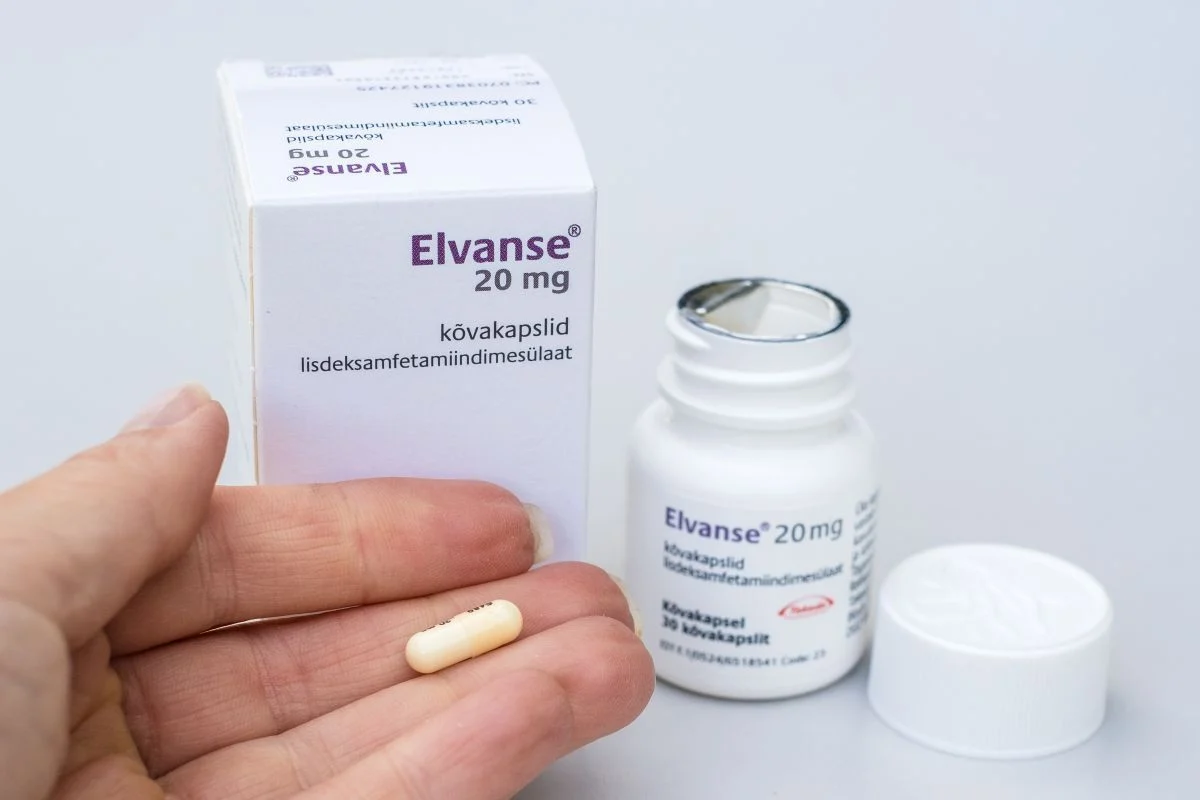
Vyvanse (lisdexamfetamine dimesylate) is a central nervous system stimulant. It is a unique “prodrug,” meaning the molecule itself is inactive when swallowed. It only becomes active once it enters the bloodstream and encounters enzymes in red blood cells that cleave away an amino acid (l-lysine), releasing the active stimulant, d-amphetamine. This process is rate-limited by the body’s internal chemistry, which is a major factor when clinicians discuss if is vyvanse addictive compared to immediate-release medications.
As a core component of ADHD Medications, Vyvanse provides a steady therapeutic effect for up to 14 hours. Because the conversion process cannot be sped up by snorting or injecting the drug, it was originally marketed as having a lower potential for certain types of acute abuse. However, the underlying amphetamine still affects the brain’s “pleasure centers,” maintaining the relevance of the query: is vyvanse addictive?
Conditions It Treats (Causes & Symptoms)
Vyvanse is primarily prescribed for conditions rooted in neurotransmitter dysregulation:
- ADHD: Addressing chronic inattention, hyperactivity, and impulsivity by stabilizing dopamine and norepinephrine.
- Moderate to Severe Binge Eating Disorder (BED): Helping to curb the compulsive urge to consume large quantities of food in short periods.
- Executive Function Deficits: Improving the ability to plan, initiate tasks, and manage time.
Is Vyvanse Addictive
To answer the core question, is vyvanse addictive, we must look at how the brain responds to chronic stimulant exposure. While most patients take Vyvanse as directed without developing a substance use disorder, the drug does facilitate the release of dopamine in the nucleus accumbens. Over time, the brain may downregulate its natural dopamine production, leading to a state where the individual feels they cannot function “normally” without the pill. This physiological adaptation is why the question is vyvanse addictive remains a central focus of psychiatric safety protocols.
Addiction typically manifests as a loss of control. When someone asks is vyvanse addictive, they are often looking for the line between “needing a tool to focus” and “being enslaved to a substance.” Clinical addiction involves using the medication in ways not intended—such as taking higher doses to achieve euphoria or continuing use despite it causing heart problems or social isolation. Therefore, while Vyvanse is a highly effective medicine, the answer to is vyvanse addictive is a clinical “yes” if the drug is misused or if an individual has a biological predisposition to addiction.
Is Vyvanse Addictive Based on Dosage and Tolerance
A common concern among patients is whether they can you get addicted to 30mg vyvanse. Even at a relatively low starting dose, the body begins a process of neuroadaptation. It is crucial to distinguish between vyvanse tolerance vs addiction. Tolerance is a natural biological process where the brain becomes less sensitive to the drug, requiring a dose adjustment to maintain focus. Addiction, however, involves the “craving” and “seeking” of the drug for its mood-altering effects rather than its cognitive benefits.
When investigating if is vyvanse addictive, researchers note that higher doses (such as 70mg) carry a higher risk of psychological habituation. However, even at 30mg, if a patient begins to experience vyvanse cravings and how to stop them, it indicates that the brain’s reward circuitry is becoming overly dependent on the exogenous stimulant. This transition from therapeutic use to dependency is why patients must be monitored for signs of vyvanse addiction in adults, which often include “doctor shopping” or running out of a prescription early.
Factors That Influence Is Vyvanse Addictive Potential
Several variables determine the likelihood of a patient developing a stimulant use disorder:
- Genetics: A family history of addiction significantly increases the risk.
- Co-occurring Disorders: Untreated depression or anxiety can lead individuals to “self-medicate” with higher stimulant doses.
- Metabolism: How quickly the body converts and clears the drug affects the intensity of the vyvanse crash vs withdrawal.
- Route of Administration: Although Vyvanse is hard to abuse via snorting, taking multiple oral capsules simultaneously can bypass the prodrug safety “buffer.”
- Environment: High-stress environments may trigger a psychological reliance on the drug’s energy-boosting properties.
7 Clinical Benefits and Risks of Stimulant Therapy
- Sustained Focus: Improving the long term effects of vyvanse on the brain regarding executive function.
- Impulse Control: Reducing dangerous behaviors associated with ADHD.
- Appetite Regulation: Providing a pathway to recovery for BED patients.
- Neuroprotection: In some cases, proper stimulant use may help normalize brain structures in children with ADHD.
- Risk of Dopamine Depletion: Excessive use can lead to a temporary inability to feel pleasure from natural rewards.
- Cardiovascular Stress: Stimulants increase heart rate and blood pressure, requiring regular monitoring.
- Psychological Habituation: The risk that the patient begins to view the drug as their “only” source of competence.
Comparison: Vyvanse vs. Other Stimulants
When evaluating if is vyvanse addictive, it is helpful to compare it to other common treatments.
| Feature | Vyvanse (Lisdexamfetamine) | Adderall (Amphetamine Salts) | Ritalin (Methylphenidate) |
| Delivery | Prodrug (Slow) | Immediate/Extended Release | Immediate/Extended Release |
| Abuse Potential | Lower (Rate-limited) | Higher (Easily manipulated) | Moderate |
| Is Vyvanse Safer? | Generally, yes, regarding “rushes” | Standard benchmark | is vyvanse safer than ritalin is a common debate; Vyvanse lasts longer. |
| Dependency Risk | Present (Schedule II) | Present (Schedule II) | Present (Schedule II) |
The vyvanse vs adderall addiction potential is often considered lower for Vyvanse because it cannot be snorted for an immediate effect. However, once the drug is in the system, both are potent amphetamines that require respect and caution.
Safety & General Usage Information
To avoid the pitfalls of dependency, it is essential to follow a strict dosing schedule. Patients should learn how to prevent stimulant dependence by taking “medication holidays” (only under a doctor’s guidance) and focusing on behavioral therapy alongside medication. Understanding the vyvanse withdrawal symptoms timeline is also vital for anyone considering a change in their regimen.
If a dose is missed, patients should not “double up,” as this can trigger vyvanse overstimulation and mimic the signs of vyvanse addiction in adults. Consistency is the greatest defense against the neurological imbalances that make people wonder is vyvanse addictive.
Possible Side Effects
While the therapeutic window is broad, side effects can signal that the body is becoming overly reliant on the substance:
- Mood swings after stopping vyvanse: Indicating the brain is struggling to regulate emotions without the drug.
- Vyvanse crash vs withdrawal: A “crash” happens daily as the drug wears off, while withdrawal is a prolonged period of exhaustion and depression after stopping use.
- Anxiety and Paranoia: Common when the dose is too high or used too frequently.
- Physical Tension: Including jaw clenching and increased heart rate.
Who Should Avoid It
Because of the risk factors associated with the question is vyvanse addictive, certain groups should exercise extreme caution:
- Individuals with a history of heart disease: Stimulants put additional strain on the cardiovascular system.
- People with a history of substance use disorder: The vyvanse vs adderall addiction potential remains high for this group.
- Individuals with Bipolar Disorder: Stimulants can trigger manic episodes.
- Those with severe anxiety: High doses can exacerbate panic attacks.
Summary: Understanding if Is Vyvanse Addictive
In summary, the question of is vyvanse addictive does not have a simple “yes” or “no” answer—it is a matter of clinical risk management. While Vyvanse is an incredibly effective tool for many, its nature as an amphetamine means that the potential for habituation is always present. Recognizing the signs of vyvanse addiction in adults, such as taking the drug to “feel good” rather than to “focus,” is the first step in preventing a long-term problem.
The long term effects of vyvanse on the brain are generally positive when the drug is used as a medicine, but recovery from vyvanse misuse is a difficult journey characterized by vyvanse cravings and how to stop them. By understanding the vyvanse withdrawal symptoms timeline and avoiding the urge for stopping vyvanse cold turkey side effects, patients can maintain a healthy relationship with their treatment. Ultimately, being informed about whether is vyvanse addictive allows you to use this powerful medication as a tool for success rather than a crutch for dependency.
Navigating Your Treatment with Confidence
Your mental health journey should be defined by progress and empowerment. If you have concerns about your medication or are noticing vyvanse abuse red flags for parents in a loved one, the most important step is to open a transparent dialogue with a medical professional. Stimulants are powerful tools, and when used correctly, they can transform lives. To find additional resources on ADHD management or to view our full range of treatments, we invite you to explore our Shop to support your journey toward a balanced and focused life.
FAQ: Is Vyvanse Addictive?
Is vyvanse addictive even if I take it exactly as prescribed?
The question of is vyvanse addictive in a medical context refers to “physical dependence.” Even if taken correctly, your body may become used to the drug, leading to a “crash” if you skip a dose. However, this is different from the compulsive seeking behaviors of addiction.
What are the most common vyvanse withdrawal symptoms timeline stages?
The vyvanse withdrawal symptoms timeline usually begins 24–48 hours after the last dose. Symptoms like extreme fatigue, increased appetite, and mood swings after stopping vyvanse can last for 7–14 days.
Is vyvanse safer than ritalin for long-term use?
When asking is vyvanse safer than ritalin, many clinicians point to the prodrug nature of Vyvanse as a safety benefit against abuse. However, “safety” is subjective and depends on your heart health and psychiatric history.
Can you get addicted to 30mg vyvanse if you have ADHD?
While having ADHD can actually reduce the risk of addiction (because the drug is correcting a deficit), you can you get addicted to 30mg vyvanse if you begin using it to cope with stress or sleep deprivation rather than ADHD symptoms.
How can I tell the difference between a vyvanse crash vs withdrawal?
A vyvanse crash vs withdrawal distinction is about time. A crash is a late-afternoon irritability as a single dose wears off. Withdrawal is a multi-day physiological process that occurs only after stopping the medication entirely.
Medical Disclaimer
This content is for informational purposes only and does not constitute medical advice. Is vyvanse addictive is a clinical concern that must be managed by a licensed healthcare provider. Vyvanse is a Schedule II controlled substance with a high potential for abuse and dependence. Misuse of stimulants can lead to serious cardiovascular events and sudden death. If you or someone you know is struggling with stimulant misuse, please seek help from a professional treatment center or call a national addiction hotline. For official safety information, visit the FDA or Substance Abuse and Mental Health Services Administration (SAMHSA).