Blog
Vyvanse and Alcohol: 10 Dangerous Risks You Must Understand
Introduction
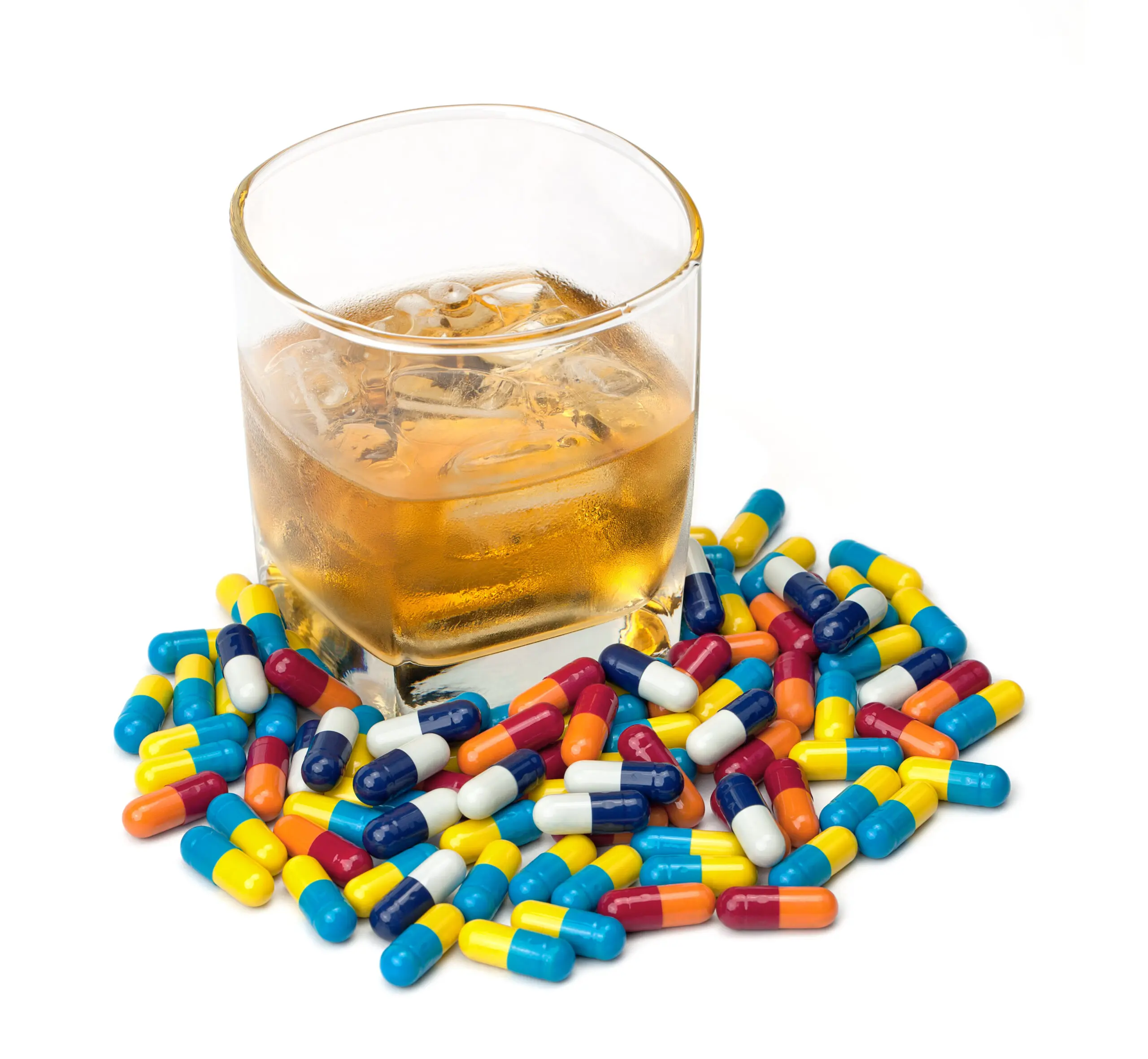
Managing Attention Deficit Hyperactivity Disorder (ADHD) often involves long-term stimulant therapy, but lifestyle choices like social drinking can complicate your treatment plan. A frequent question among patients is the safety of the vyvanse and alcohol combination. While many people believe a single drink might be harmless, the pharmacological reality is far more complex. When you mix a powerful central nervous system (CNS) stimulant with a potent depressant, you create a “chemical tug-of-war” within your body that can mask the effects of both substances, leading to unpredictable and often hazardous outcomes.
The primary danger of the vyvanse alcohol interaction is that the stimulant properties of lisdexamfetamine can hide the sedative effects of ethanol. This often leads to individuals consuming far more liquor than their bodies can safely process, significantly increasing the chance of alcohol poisoning. In this definitive guide, we will explore the clinical risks associated with vyvanse alcohol, the physiological impact on your cardiovascular system, and why healthcare providers strictly advise against this combination for anyone on stimulant medication.
Key Takeaways: The “Masking Effect”
- False Sobriety: Vyvanse prevents you from feeling “drunk,” leading to dangerous overconsumption.
- Cardiac Strain: The combination significantly increases vyvanse and alcohol heart rate and blood pressure.
- Blackout Risk: Users face a much higher vyvanse and alcohol blackout risk due to metabolic interference.
- Organ Stress: Chronic mixing increases the likelihood of vyvanse and alcohol liver damage.
What Is Vyvanse?
Vyvanse (lisdexamfetamine dimesylate) is a long-acting stimulant medication. It is classified as a “prodrug,” which means it is inactive when swallowed and must be converted by enzymes in the red blood cells into dextroamphetamine. This unique mechanism allows for a smooth, 14-hour release of medication, which is why it is a leading choice among ADHD Medications.
Because it is a CNS stimulant, it increases the levels of dopamine and norepinephrine in the synapses of the brain. These chemicals are responsible for alertness, focus, and reward processing. However, when vyvanse alcohol enter the bloodstream together, the stimulant’s ability to keep you “awake” directly counters the depressant’s ability to slow you down, creating a state of toxic physiological confusion.
Conditions It Treats (Causes & Symptoms)
Vyvanse is FDA-approved to manage conditions that impair daily functioning and cognitive control:
- ADHD: Addressing symptoms like chronic distractibility, impulsivity, and physical restlessness.
- Binge Eating Disorder (BED): Assisting adults in reducing the frequency of compulsive eating episodes.
- Cognitive Dysfunction: Helping with the “mental fog” often associated with neurodevelopmental disorders.
- Narcolepsy: Occasionally used off-label to manage excessive daytime sleepiness.
Vyvanse Alcohol
The clinical interaction of vyvanse alcohol is primarily characterized by antagonistic effects. Alcohol is a GABAergic depressant that slows down motor skills and cognitive processing. In contrast, Vyvanse is a sympathomimetic stimulant that accelerates these same processes. When patients ask, “can i have one drink on vyvanse?”, they must realize that even a small amount of alcohol can disrupt the delicate balance of neurotransmitters. The most immediate concern with vyvanse alcohol is the cardiovascular impact; stimulants constrict blood vessels while alcohol can initially dilate them, putting immense pressure on the heart.
Furthermore, mixing vyvanse and alcohol side effects can manifest as severe psychological distress. While some users attempt to use vyvanse and alcohol for social anxiety, this often backfires. The combination can lead to heightened aggression, impulsivity, and a total loss of inhibition. Because the stimulant keeps the user conscious and active, they are more likely to engage in high-risk behaviors while under the influence of the depressant, making the vyvanse alcohol interaction a major public health concern.
Vyvanse Alcohol Based on Timing and Metabolism
The metabolic timeline of these substances is another critical factor. If you are drinking on vyvanse 30mg, the medication is likely active for up to 14 hours. This means that even an evening drink occurs while the stimulant is still affecting your heart and brain. Patients often wonder how long to wait to drink after vyvanse; most clinicians suggest waiting at least 24 hours until the medication has cleared the plasma to avoid the vyvanse and alcohol interaction symptoms.
If the stimulant is still in the system, it continues to mask the “internal clock” that tells the brain when it has had too much to drink. This is the root cause of the vyvanse and alcohol blackout risk. The individual may feel “sharply focused” while their blood alcohol concentration (BAC) rises to lethal levels. Additionally, once the stimulant wears off (the “crash”), the sudden “hit” of the alcohol’s depressant effects can cause a rapid drop in heart rate and breathing, which is where the vyvanse and alcohol death risk becomes a terrifying reality.
Factors That Influence Vyvanse Alcohol Variations
Several individual variables can change how a person reacts to this dangerous combination:
- Dosage: Higher doses, such as 70mg, significantly increase the vyvanse and alcohol death risk compared to lower doses.
- Hydration: Both substances are diuretics; vyvanse and alcohol dehydration can lead to kidney strain and severe electrolyte imbalances.
- Liver Health: Both are processed by the liver, and the metabolic stress can lead to vyvanse and alcohol liver damage over time.
- Tolerance: A high tolerance to one can lead a person to underestimate the potency of the other when combined.
- Psychiatric Comorbidities: Individuals with bipolar disorder or panic disorders are at a much higher risk for psychotic breaks when mixing these substances.
8 Dangerous Benefits and Consequences of Misuse
- False Sense of Competence: Users feel they can drive or perform tasks they are too intoxicated to handle.
- Cardiovascular Arrhythmia: Sudden spikes in vyvanse and alcohol heart rate can lead to heart attacks.
- Delayed Vomiting Reflex: Stimulants can suppress the body’s natural urge to purge toxins, leading to higher alcohol poisoning risks.
- Extreme Dehydration: Compounded fluid loss via vyvanse and alcohol dehydration.
- Exacerbated Hangovers: The vyvanse and alcohol hangover is notoriously severe, involving “rebound” ADHD symptoms and deep depression.
- Liver Inflammation: Increased enzymatic stress leading to chronic vyvanse and alcohol liver damage.
- Increased Aggression: A high-energy state mixed with low inhibition leads to physical altercations.
- False Sobriety: Does alcohol make vyvanse less effective? Yes, by “dulling” the cognitive clarity the medication is supposed to provide.
Comparison: Stimulant-Alcohol Interactions
| Medication | Onset Type | Alcohol Interaction Risk | Primary Danger |
| Vyvanse | Prodrug (Slow) | Extreme | Prolonged Masking Effect |
| Adderall IR | Immediate | High | Acute Cardiovascular Spikes |
| Ritalin | Methylphenidate | Moderate/High | Formation of Ethylphenidate (Toxic) |
When comparing these, Vyvanse presents a unique danger because of its long half-life. It stays in the system much longer than immediate-release pills, meaning the window for a dangerous interaction is much wider.
Safety & General Usage Information
To ensure the safety of your treatment, you must follow the guidance provided by your prescribing physician. Stimulants are powerful tools that require a stable internal environment to work effectively. If you are wondering can you take vyvanse after a night of drinking, the answer is generally no. The dehydration and lack of sleep from the previous night make the heart more susceptible to the stimulant’s effects, increasing the risk of tachycardia and hypertensive crisis.
If you suspect someone is suffering from the vyvanse alcohol interaction, watch for signs of alcohol poisoning while on vyvanse. These include slow or irregular breathing, bluish skin, and the inability to stay conscious despite the stimulant’s presence. Emergency medical intervention is required immediately in these cases.
Possible Side Effects
The mixing vyvanse and alcohol side effects are often more than the sum of their parts:
- Nausea and Vomiting: Despite the masking effect, the stomach often reacts to the dual-toxin load.
- Hyperthermia: A dangerous increase in body temperature.
- Psychosis: Paranoia or hallucinations brought on by the combination.
- Severe Insomnia: The inability to sleep for 24+ hours, worsening the vyvanse and alcohol hangover.
Who Should Avoid It
Mixing vyvanse alcohol is strictly contraindicated for:
- Individuals with heart conditions: The strain on the vyvanse and alcohol heart rate can be fatal.
- People with a history of liver disease: To avoid accelerating vyvanse and alcohol liver damage.
- Pregnant women: The dual toxicity poses a severe risk to fetal development.
- Those with a history of substance abuse: The combination significantly increases the risk of addiction.
Summary: The Final Verdict on Vyvanse Alcohol
In summary, the interaction of vyvanse alcohol is a high-risk gamble that offers no therapeutic benefits. While it may be tempting to wonder, “can i have one drink on vyvanse?”, the pharmacological unpredictability makes it unsafe. The stimulant masks the depressant, the depressant makes the stimulant less effective for its intended purpose, and the heart and liver pay the price.
From the increased vyvanse and alcohol blackout risk to the long-term threat of vyvanse and alcohol liver damage, the evidence is clear: these two substances do not belong together. By understanding the vyvanse and alcohol interaction symptoms and respecting the metabolic timeline of your medication, you can protect your health and ensure your ADHD treatment remains successful. Ultimately, the goal of taking Vyvanse is to improve your quality of life; mixing it with alcohol only serves to undermine that progress.
Prioritize Your Health and Safety
Choosing to manage your ADHD with medication is a commitment to a healthier, more focused lifestyle. Don’t let the dangers of vyvanse alcohol derail your success. If you have questions about your prescription or need support in managing your treatment safely, we are here to provide the resources you need. We invite you to explore our Shop for more information on how to maintain a balanced and safe therapeutic journey.
FAQ: Vyvanse Alcohol
Does alcohol make vyvanse less effective?
Yes. Since alcohol is a depressant, it works against the stimulant. Does alcohol make vyvanse less effective? Absolutely—it blunts the focus and cognitive clarity that Vyvanse is designed to provide.
What are the signs of alcohol poisoning while on vyvanse?
Because the stimulant keeps you awake, signs of alcohol poisoning while on vyvanse can be subtle. Watch for confusion, vomiting, seizures, slow breathing, and pale or blue-tinged skin.
How long to wait to drink after vyvanse?
Most experts recommend a full 24-hour window. Knowing how long to wait to drink after vyvanse is essential because the drug has a long half-life and remains active in your system for up to 14 hours.
What happens to my vyvanse and alcohol heart rate when I mix them?
The combination causes a “stress test” on the heart. Your vyvanse and alcohol heart rate can spike to dangerous levels as the body tries to manage the conflicting signals from the stimulant and the depressant.
Is there a vyvanse and alcohol death risk?
Unfortunately, yes. The vyvanse and alcohol death risk stems from cardiovascular failure, respiratory depression (once the stimulant wears off), or extreme alcohol poisoning that goes unnoticed due to the masking effect.
Medical Disclaimer
This content is for educational purposes and is not a substitute for professional medical advice. Vyvanse alcohol interactions are potentially lethal. Always consult your physician before consuming alcohol while on prescription stimulants. If you are experiencing signs of alcohol poisoning while on vyvanse, contact emergency services (911/111) immediately. For more clinical data, refer to the FDA or the National Institute on Alcohol Abuse and Alcoholism (NIAAA).